

Middle East War Triggers Global Energy Crisis, Straining Indian Economy
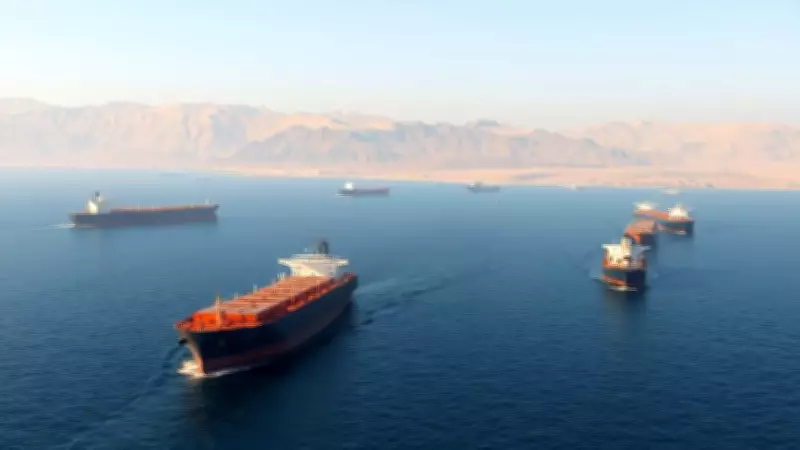
As the Middle East conflict extends beyond a month, global energy markets have been thrown into turmoil, with prices soaring dramatically and sending shockwaves across the world economy. Iran's strategic chokehold on the critical Strait of Hormuz has severely disrupted fuel supplies, driving costs higher and creating significant challenges for major economies dependent on stable energy imports.
Widespread Impact Across Indian Industries
The ripple effects of this energy crisis are now clearly visible across multiple sectors in India, where rising costs of fuel and petrochemical products are infiltrating everyday business operations. From large-scale infrastructure projects to aviation and hospitality services, industries are being compelled to adapt to a rapidly shifting cost environment characterized by escalating project expenses, increased operational burdens, and mounting pressure on profit margins.
While some sectors are attempting to absorb portions of this financial burden internally, others are actively considering price revisions or recalibrating strategic plans, underscoring just how profoundly energy costs are influencing critical business decisions throughout the Indian economy.

Infrastructure Sector Faces Mounting Challenges
In Himachal Pradesh, rising prices of bitumen combined with fuel shortages have significantly increased road construction and maintenance costs. Per-kilometre expenses have climbed across various projects, with maintenance budgets also experiencing substantial upward pressure. The state government estimates a cumulative financial burden approaching Rs 100 crore and is actively exploring funding support mechanisms and project adjustments while striving to maintain quality standards.
"Light diesel oil and bitumen shortages will inevitably impact road tarring and construction costs," stated Public Works Department Minister Vikramaditya Singh. "There is absolutely no doubt that global inflation is affecting India as well. The sharp rise in prices of LPG, petrol, diesel and other petrochemical products has directly impacted bitumen availability and pricing, consequently driving up road construction expenses."
Minister Singh added, "We may need to delay certain project targets depending on the evolving international situation, but we remain committed to ensuring that all quality standards are rigorously maintained throughout this challenging period."
Aviation Industry Under Severe Pressure
Aviation turbine fuel prices have experienced a dramatic surge, with rates exceeding Rs 2 lakh per kilolitre for several carriers. Although domestic airlines have been partially shielded through a carefully implemented staggered increase strategy, operational costs have still risen substantially, adding significant pressure to an industry where fuel typically accounts for approximately 40% of total operating expenses.
The Ministry of Petroleum and Natural Gas explained the situation: "Due to the closure of the Strait of Hormuz and extraordinary circumstances in global energy markets, the price of ATF for domestic markets was projected to increase by more than 100% on April 1. To insulate domestic travel costs from this substantial international price surge, PSU Oil Marketing Companies under the Ministry of Petroleum, in consultation with the Ministry of Civil Aviation, have implemented only a partial and staggered increase of 25% (equivalent to Rs 15 per litre) to airlines. Foreign routes will bear the full increase in ATF prices consistent with global market rates."
Civil Aviation Minister Rammohan Naidu Kinjarapu emphasized, "This calibrated approach will help shield passengers from sharp fare increases, ease the burden on domestic airlines, and support continued stability within the aviation sector during this crucial juncture. It will also benefit the broader economy by ensuring smooth cargo movement and maintaining vital air connectivity essential for trade and logistics operations."

Hospitality Sector Confronts Escalating Costs
Higher commercial LPG prices have compounded challenges faced by hotels and restaurants, where operating costs have already increased by approximately 20% amid the ongoing West Asia conflict. With business volumes declining while expenses continue climbing, establishments are now seriously considering menu price increases to offset growing financial pressures.
HRAWI spokesperson Pradeep Shetty highlighted the sector's predicament: "The latest hike in commercial LPG cylinder prices has added yet another layer of pressure on already squeezed profit margins. Given this challenging scenario, hospitality establishments may now be left with little choice but to consider upward revisions in menu prices to partially absorb the escalating cost burden."
Government Assurance on Energy Security
Meanwhile, the Indian government has repeatedly assured citizens and businesses that the country maintains adequate energy supplies despite global disruptions. Earlier this week, central authorities stated there was no shortage of LPG nationwide, emphasizing their prioritization of Piped Natural Gas distribution while confirming sufficient diesel and petrol supplies to meet domestic requirements.
The government's focus remains on balancing international market realities with domestic economic stability, implementing targeted interventions where necessary to mitigate the most severe impacts of this global energy crisis on Indian industries and consumers.





