

Global Fight Against Pollution Intensifies with Innovative Bioplastic Breakthrough
Today, the world is engaged in a relentless battle against pollution, with numerous non-governmental organizations (NGOs) worldwide working tirelessly to mitigate this pressing issue. According to data from the Global Environmental Organisation Index (2024), highlighted by the Varanasi Diocese Community Network, there are over 120,000 officially registered environmental NGOs operating globally. This underscores the widespread commitment to addressing environmental challenges, particularly plastic pollution, which remains a rapidly escalating concern.
Revolutionary Bioplastic from Milk Protein
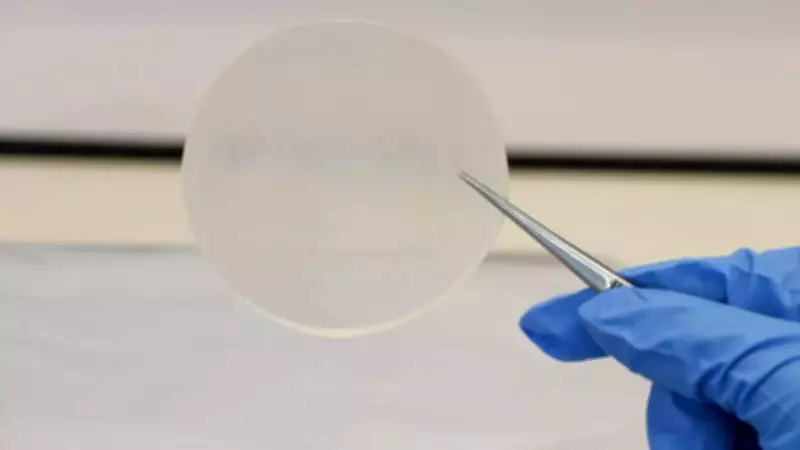
In a significant step forward, researchers from Flinders University in South Australia have pioneered a novel solution to combat plastic pollution. They have developed a biodegradable material derived from milk that can decompose under normal soil conditions. This innovation leverages the science of polymeric nanocomposites, a field focused on creating advanced materials with enhanced properties.
The research team collaborated with experts from Colombia to extract calcium caseinate (CAS) powder, which contains 92.1% protein and is a primary component of milk. To transform this dairy protein into a viable packaging material, the scientists combined it with modified starch and bentonite nanoclay. This combination acts as a structural skeleton, providing the necessary strength to handle weight and pressure.

Additionally, glycerol and polyvinyl alcohol were incorporated to maintain flexibility and prevent the material from breaking when it dries. This meticulous formulation results in a biodegradable film that could potentially replace traditional single-use plastics, offering a more sustainable alternative.
The 13-Week Decomposition Process
The decomposition timeline of this milk-based film is remarkably swift, taking only 13 weeks to return to nature. This stands in stark contrast to conventional plastics, which can persist for centuries. The science behind this rapid breakdown is straightforward: the primary ingredients, calcium caseinate and starch, serve as carbon and energy sources for soil microorganisms.
These microorganisms consume the material, breaking the molecular bonds that hold the film together. The decomposition process unfolds in three distinct phases:
- Weeks 1-4: The film begins to lose its smoothness as it absorbs moisture from the soil, allowing organisms to penetrate its structure.
- Weeks 5-8: Structural integrity weakens, with the bentonite nanoclay separating as the protein matrix dissipates.
- Weeks 9-13: The plastic undergoes complete fragmentation, and laboratory tests confirm that it vanishes entirely, leaving behind no toxic or harmful microplastics.
Future Prospects and Global Collaboration
The collaboration between Flinders University in Australia and the Universidad de Bogotá Jorge Tadeo Lozano in Colombia addresses one of the most significant challenges in bioplastics: creating a material that is both cost-effective and durable enough for industrial processing. This milk-based bioplastic not only offers an ecological advantage but also presents a viable business opportunity.
As the world increasingly seeks sustainable alternatives, the environmental cost of traditional petroleum-based plastics is becoming unsustainable. The research team emphasizes that by utilizing inexpensive, natural materials, industries can swiftly adopt such innovations, paving the way for a plastic-free future. This breakthrough represents a crucial step in reducing plastic waste and promoting environmental stewardship on a global scale.






