Inside the Millennium Seed Bank: The Frozen Bunker Protecting Global Plant Diversity
Hidden beneath the serene countryside of Wakehurst in Sussex, England, lies a facility often described as a doomsday vault. While this label may sound dramatic, its purpose is profoundly practical and urgently needed. Scientists from the Royal Botanic Gardens, Kew, have dedicated decades to collecting and preserving seeds from across the globe, aiming to safeguard plant life against the escalating threats of extinction, war, and climate-related disasters.
A High-Security Bunker for Billions of Seeds
As recently highlighted in a BBC report, the Millennium Seed Bank has opened its doors to reveal its extraordinary contents. The vault houses billions of seeds stored under meticulously controlled conditions, representing a critical reservoir of biodiversity, food security, and potential future medicinal resources. Experts emphasize that this collection is becoming increasingly vital as environmental pressures intensify and ecosystems face unprecedented strain.
Entering the seed bank is akin to stepping into a high-security bunker. The structure features reinforced concrete walls, airlocks, and automated alarm systems designed to protect the collection from both physical and environmental hazards. The interior temperature is maintained at approximately −20°C, a controlled cold environment that slows biological processes, allowing seeds to remain viable for decades or even longer.

The underground space spans an area roughly equivalent to three tennis courts and contains more than 6.6 tonnes of seeds. Scientists estimate the collection includes about 2.5 billion seeds from over 40,000 distinct plant species. Some containers bear hazard warnings due to seeds containing irritants or toxins, while external labels are intentionally omitted. Identification relies solely on secure digital records to enhance security and prevent potential misuse.
Global Network of Seed Banks: A Layered Defense Against Loss
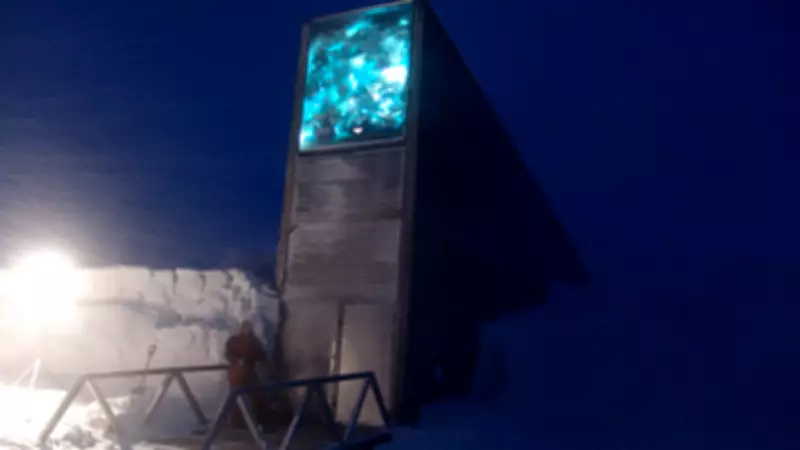
The Millennium Seed Bank operates as a key component of a broader international network of seed preservation facilities. Approximately 1,700 seed banks exist worldwide, each playing specific roles in conservation and agriculture. A well-known example is the Svalbard Global Seed Vault, nestled within a mountain in the Arctic, which primarily focuses on food crops as a global agricultural backup.
In 2017, the Svalbard facility faced a wake-up call when meltwater, resulting from warming permafrost, entered its entrance tunnel. Although no seeds were damaged, the incident underscored the necessity for multiple backup facilities. The Millennium Seed Bank contributes to this layered approach by storing duplicate collections from countries around the world, ensuring plant diversity is preserved even if individual facilities are compromised.
Increasing Withdrawals: Seed Banks in Action During Crises
When the Millennium Seed Bank opened in 2000, scientists anticipated that withdrawals would occur only during major catastrophes. However, current trends paint a different picture. Environmental crises such as wildfires, habitat destruction, and conflicts are driving steady biodiversity loss, making seed bank withdrawals more frequent.
During Australia's severe 2019–2020 wildfire season, Kangaroo Island suffered extensive ecological damage. A vulnerable pea species, Glycine latrobeana, vanished locally after the fires. Seeds previously stored at the Millennium Seed Bank were returned to support restoration efforts, with approximately 80 percent successfully germinating, thereby preventing local extinction.
Seed banks have also played crucial roles in agricultural recovery in conflict zones. For instance, crop collections lost during the war in Syria prompted a withdrawal from the Svalbard vault, enabling replanting and sustaining food production in the region.

The Challenge of Preserving Difficult Seeds
Not all seeds can be preserved using standard freezing techniques. Some plants produce seeds that cannot survive drying or cold storage. Researchers at Wakehurst are actively exploring cryopreservation methods, which involve using liquid nitrogen at −196°C. This advanced technique may allow for the long-term storage of difficult seeds by completely halting biological activity, expanding the bank's capacity to protect even the most resilient plant species.
The Millennium Seed Bank stands as a testament to global cooperation and scientific innovation, offering a beacon of hope in the face of mounting environmental challenges. Its mission to preserve plant diversity is not just about saving seeds—it's about securing the future of ecosystems, agriculture, and human well-being for generations to come.