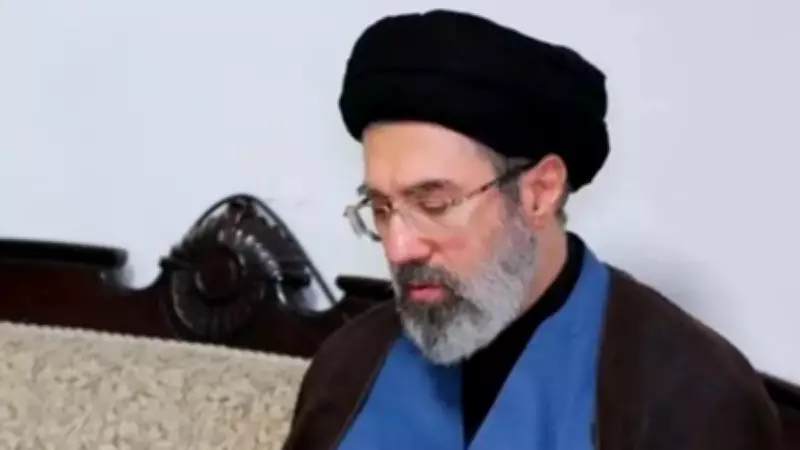
Mojtaba Khamenei Appointed as Iran's New Supreme Leader
In a landmark decision that reshapes Iran's political landscape, Mojtaba Khamenei has been officially named as the country's new Supreme Leader. This appointment follows the passing of his father, the late Ayatollah Ali Khamenei, who held the position for decades, guiding Iran through numerous domestic and international challenges. The selection of Mojtaba Khamenei underscores a notable dynastic transition within Iran's leadership structure, blending religious authority with familial lineage in a move that is expected to influence both internal governance and foreign relations.
Background and Significance of the Appointment
Mojtaba Khamenei, previously known for his behind-the-scenes role in Iranian politics, has now stepped into the forefront as the Supreme Leader. This role is the highest authority in Iran, combining religious and political power, and is pivotal in setting the nation's policies on issues ranging from nuclear negotiations to social reforms. The appointment was confirmed by Iran's Assembly of Experts, a body of clerics responsible for selecting the Supreme Leader, after careful deliberation and consideration of Mojtaba's qualifications and alignment with the principles of the Islamic Republic.
The late Ayatollah Ali Khamenei was a towering figure in Iranian history, serving as Supreme Leader since 1989 and shaping the country's trajectory through periods of conflict and diplomacy. His death left a significant void, prompting intense speculation about his successor. Mojtaba's selection is seen as a continuation of his father's legacy, aiming to maintain stability and continuity in Iran's leadership during a time of regional tensions and economic pressures.

Implications for Iran and the Global Community
The appointment of Mojtaba Khamenei is likely to have far-reaching implications:
- Domestic Policy: As Supreme Leader, Mojtaba will oversee key institutions such as the military, judiciary, and media, potentially influencing social policies, economic strategies, and religious directives. His leadership style and priorities may differ from his father's, leading to shifts in Iran's internal dynamics.
- International Relations: This change comes at a critical juncture, with Iran engaged in delicate negotiations over its nuclear program and facing sanctions from Western nations. Mojtaba's approach to diplomacy and foreign policy will be closely watched by global powers, including the United States and European Union, as it could impact regional stability and international agreements.
- Regional Influence: Iran's role in the Middle East, particularly in conflicts involving proxy groups and allies, may evolve under Mojtaba's leadership. His decisions could affect relationships with neighboring countries and shape the broader geopolitical landscape.
Observers note that while Mojtaba Khamenei has maintained a lower public profile compared to his father, he is well-versed in religious teachings and political affairs, having been involved in advisory roles for years. His appointment reflects a blend of tradition and modernity, as Iran navigates contemporary challenges while upholding its Islamic principles.
Reactions and Future Outlook
Initial reactions to Mojtaba Khamenei's appointment have been mixed, with supporters praising the continuity and stability it brings, while critics express concerns about dynastic rule and potential shifts in policy. Inside Iran, the move is expected to reinforce the power of conservative factions, but it may also spark debates about governance and succession in the future.
Looking ahead, the world will monitor how Mojtaba Khamenei steers Iran through ongoing issues such as economic recovery, social unrest, and international diplomacy. His leadership will be tested in the coming months, as he balances the legacy of his father with the demands of a rapidly changing global environment.