Mumbai Records Cleanest Air of February Amid Unseasonal Heatwave
In a welcome development for residents, Mumbai experienced its best air quality since the start of February on Sunday. The city's overall Air Quality Index (AQI) registered at 117, firmly placing it in the 'moderate' category. This marks a significant improvement for the month, as the city has maintained moderate air quality levels consistently since the beginning of the New Year.
Suburban Disparities in Air Quality Readings
While the city-wide average showed notable improvement, the air quality landscape revealed stark contrasts between different suburbs. Several areas enjoyed relatively clean conditions, with Borivli recording an excellent AQI of 60, Powai at 67, and Mulund at 77—all bordering the 'satisfactory' category.
However, not all localities shared this improvement. Sion emerged as the most polluted area with an AQI of 175, followed closely by Bandra East at 159 and Navy Nagar in Colaba at 150. These readings indicate that while overall conditions have improved, pockets of the city continue to struggle with stagnant air pollution.

Satellite Cities Follow Similar Pattern
The trend of marginal air quality improvement extended to Mumbai's satellite cities as well. Thane recorded an AQI of 108, while Navi Mumbai stood at 113. Within Navi Mumbai, Vashi boasted a 'satisfactory' reading of 75, though industrial Taloja remained an outlier with a higher AQI of 134.
Simultaneous Temperature Spike Disrupts Winter Norms
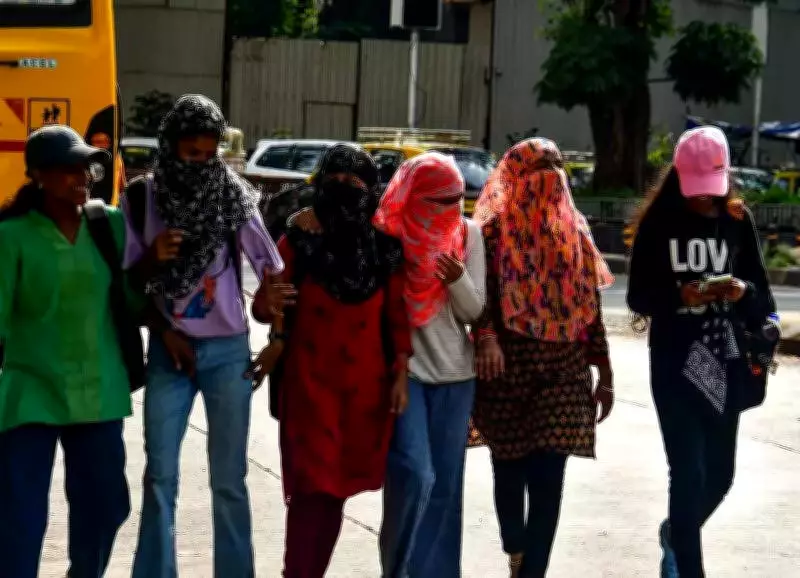
While residents' lungs found some relief from improved air quality, their skin felt the sting of an unseasonably warm sun. The day proved to be 3.7°C warmer than usual, with maximum temperatures across the Mumbai Metropolitan Region (MMR) staying significantly above seasonal averages.
The Indian Meteorological Department's Santacruz observatory recorded a maximum temperature of 34.5°C, which was 3.6° warmer than normal. The nights offered little respite, with the minimum temperature at Santacruz settling at 19.2°C—2° warmer than normal.
The Colaba weather station mirrored this concerning trend, recording a high of 33.4°C, which was 3.7° warmer than the expected normal temperature. The minimum temperature at Colaba was 22°C, marked as 2.3° warmer than normal. This significant spike in mercury suggests a momentary pause in the city's typical January chill, raising questions about changing weather patterns.
The simultaneous occurrence of improved air quality and elevated temperatures presents a complex environmental picture for Mumbai. While the reduction in pollution levels offers respiratory benefits, the unseasonal heatwave poses different health challenges for the city's residents.