The July 26, 2005 deluge remains Mumbai's worst disaster, a catastrophic blend of natural fury and man-made failures that killed over 500 people and paralyzed India's financial capital. Twenty years on, residents still recall the horror as memories return each monsoon season.
The Day That Changed Mumbai
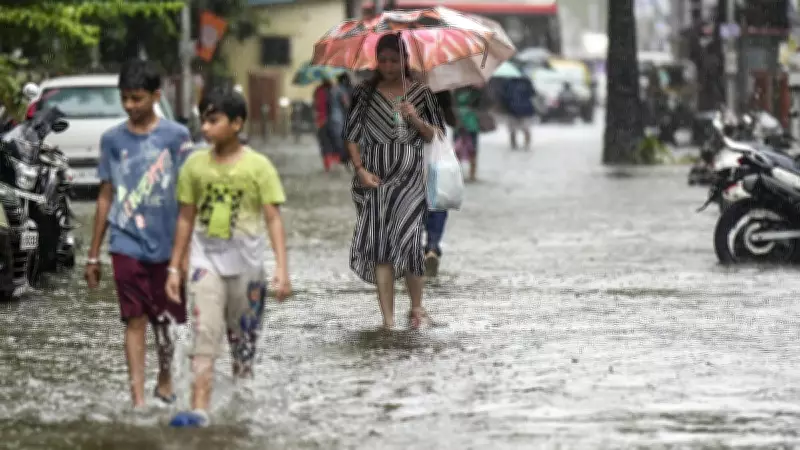
On July 26, 2005, Mumbai received a record 944 mm of rainfall in 24 hours, the highest ever recorded in any Indian city in a single day. The city's drainage system, designed for 25 mm per hour, was overwhelmed within hours. Streets turned into rivers, vehicles were submerged, and thousands were stranded without food, water, or shelter.
According to the Brihanmumbai Municipal Corporation (BMC), over 500 people died, many in landslides, building collapses, and electrocutions. The economic loss was estimated at over ₹5,000 crore. The disaster exposed the city's fragile infrastructure and lack of preparedness.

Survivors Recount the Horror
Rajeshwari Iyer, a resident of Andheri, recalls: "I was stuck in my office for 36 hours without electricity or communication. Water entered the ground floor, and we had to move to higher floors. It was like a nightmare." Many survivors share similar stories of helplessness and heroism.
The deluge also triggered a massive relief effort by citizens, with volunteers using boats and ropes to rescue people. However, the official response was criticized for being slow and inadequate.
Lessons Unlearned
Despite multiple reports and recommendations, experts say Mumbai remains vulnerable. The city's stormwater drainage system has not been fully upgraded, and encroachments on natural water bodies continue. A 2023 report by the Indian Institute of Technology (IIT) Bombay warned that a similar event could cause even greater damage due to increased population and concretization.
Environmentalist Debi Goenka notes: "We have not learned our lessons. The Mithi River, which was a major cause of flooding, is still encroached upon. We need a comprehensive flood management plan."
Impact on Policy and Infrastructure
Post-2005, the BMC launched a ₹1,200 crore flood mitigation project, including desilting of drains and construction of retention basins. The city also set up a disaster management cell and early warning systems. However, implementation has been patchy.
In 2021, heavy rains again caused flooding in parts of Mumbai, leading to 31 deaths. The repeated incidents highlight the ongoing risk. Climate change is expected to increase the frequency and intensity of extreme rainfall events, making the city more vulnerable.
As the 20th anniversary approaches, residents and activists call for urgent action. They demand stricter enforcement of building regulations, restoration of mangroves, and investment in climate-resilient infrastructure. The memory of July 26, 2005, serves as a grim reminder of what can happen when nature and negligence collide.