

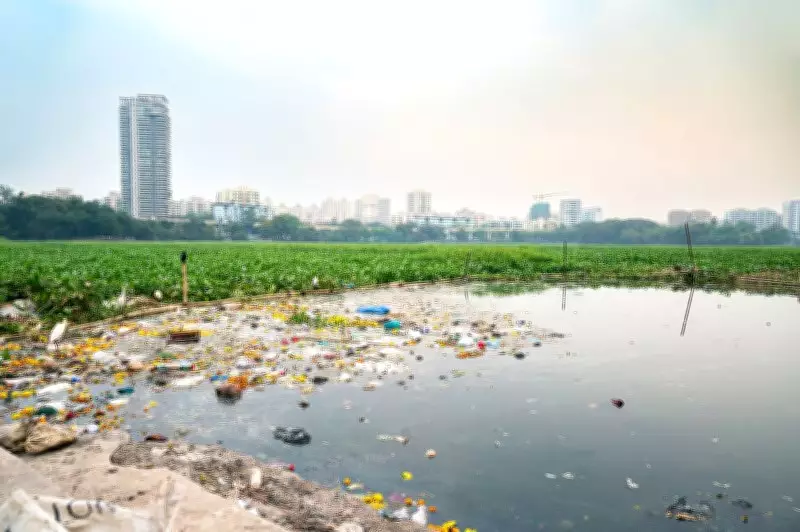
Mumbai to Deploy Coastal Barriers to Combat Plastic Pollution in Arabian Sea
In a significant move to tackle marine pollution, authorities in Mumbai have announced plans to install physical barriers along the city's coastline. These barriers are designed to stop the flow of plastic waste into the Arabian Sea and the broader Indian Ocean, addressing a critical environmental issue that threatens marine ecosystems and coastal health.
Targeting Plastic Waste at the Source
The initiative focuses on intercepting plastic debris before it reaches the sea, particularly from urban runoff and drainage systems. Mumbai, as a densely populated metropolitan area, generates substantial amounts of plastic waste, which often ends up in water bodies due to inadequate waste management and littering. By placing barriers at strategic points, such as river mouths and stormwater outlets, the city aims to capture and remove plastic materials, preventing their entry into marine environments.
This proactive measure is part of broader efforts to comply with national and international environmental standards, including India's commitments to reduce plastic pollution under global agreements. The barriers are expected to be made from durable materials capable of withstanding coastal conditions, and they will be regularly monitored and maintained to ensure effectiveness.

Implications for Marine and Coastal Ecosystems
Plastic pollution in the Arabian Sea and Indian Ocean has been linked to severe impacts on marine life, including ingestion by fish and entanglement of wildlife, which can disrupt food chains and biodiversity. Additionally, plastic waste contributes to water contamination and affects tourism and fishing industries, which are vital to Mumbai's economy. The installation of barriers is seen as a crucial step in mitigating these effects, complementing existing waste reduction campaigns and recycling programs.
Experts highlight that while barriers can help reduce immediate pollution, long-term solutions require public awareness, improved waste disposal systems, and stricter enforcement of plastic bans. The Mumbai initiative may serve as a model for other coastal cities in India facing similar challenges, promoting sustainable practices to protect ocean health.
As implementation progresses, authorities will assess the barriers' performance and adjust strategies as needed, aiming for a cleaner and safer marine environment for future generations.






