

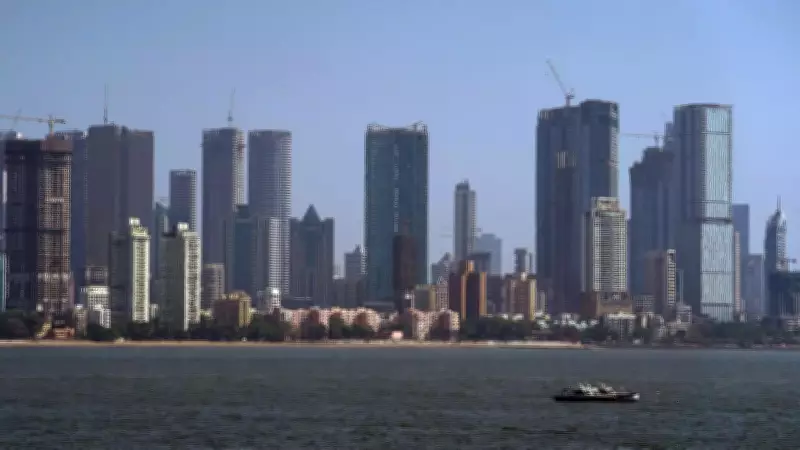
Mumbai Achieves Cleanest Air Quarter in Three Years with Significant Pollution Drop
In a notable environmental milestone, Mumbai has recorded its cleanest first quarter in three years, with particulate pollution showing a sharp decline in early 2026. This improvement comes as a welcome contrast to the ongoing air quality struggles faced by most Indian cities, highlighting a rare positive trend in urban pollution management.
Analysis Reveals Substantial Reductions in Particulate Levels
According to a detailed analysis conducted by Respirer Living Sciences using its AtlasAQ platform, average PM2.5 levels in Mumbai fell by approximately 14% between January and March 2026 compared to the same period last year. Similarly, PM10 levels decreased by 17%, reversing a concerning spike observed in 2025. The most pronounced improvement was noted in March 2026, which emerged as the cleanest month in the three-year dataset, with PM2.5 alone declining over 21% year-on-year.
On the ground, these gains translated into tangible air quality benefits. City-level air quality remained largely in the ‘Satisfactory’ category for PM2.5 and ‘Moderate’ for PM10, with no ‘Poor’ or worse days recorded in the city-average data. March 2026 stood out with 15 ‘Good’ air days—the highest number in the study period—signaling a steady transition from winter pollution to cleaner pre-summer conditions.

Key Factors Driving the Improvement
Experts attribute Mumbai's air quality enhancement to a combination of favorable weather patterns and stricter enforcement measures. Stronger sea-breeze circulation from the Arabian Sea, early January showers, and improved atmospheric mixing played crucial roles in dispersing pollutants effectively. Concurrently, the Brihanmumbai Municipal Corporation intensified its crackdown on dust pollution, issuing over 1,000 stop-work notices and nearly 2,000 show-cause notices to non-compliant construction sites between October 2025 and January 2026. This was complemented by stricter norms on sprinkling and barricading at construction zones.
"The convergence of favorable meteorology and enforcement aligns with the observed improvement," stated a researcher involved in the study. However, the researcher also noted that daily pollution spikes consistently occur between 8 a.m. and 11 a.m., pointing to traffic and construction activity as critical intervention windows for further gains.
Persistent Hotspots and Regional Contrasts
Despite the overall cleaner averages, persistent local hotspots continue to challenge Mumbai's air quality. The Deonar area consistently records the highest PM10 levels across most months, underscoring the impact of legacy pollution sources. For finer particles, the worst-affected locations have shifted from Deonar and Worli in earlier years to Chakala in early 2026 and Kurla in March, suggesting evolving localized pollution patterns that require targeted attention.
Across Maharashtra, the trend mirrors Mumbai's partial gains but with uneven outcomes. While some urban centers have seen improvements due to dust control and local measures, several cities still struggle to consistently meet national clean air targets, particularly during winter months when atmospheric conditions trap pollutants.
National Implications and Policy Takeaways
Nationally, the contrast in air quality is stark. Coastal cities like Mumbai benefit from natural ventilation, whereas many north Indian cities continue to face severe winter pollution driven by vehicular emissions, industrial activity, biomass burning, and adverse weather conditions. The Mumbai data underscores how sustained enforcement—especially on construction dust—combined with favorable geography can yield measurable environmental benefits.
The findings also highlight a key policy insight: while seasonal and meteorological factors may provide temporary relief, sustained improvements in air quality will depend on targeted, localized action. This includes focused interventions in identified hotspots like Deonar and sharper measures during peak pollution hours to build on the progress achieved.






