

Rotherham's Wildflower Revolution: A Blueprint for Low-Cost Urban Environmental Change
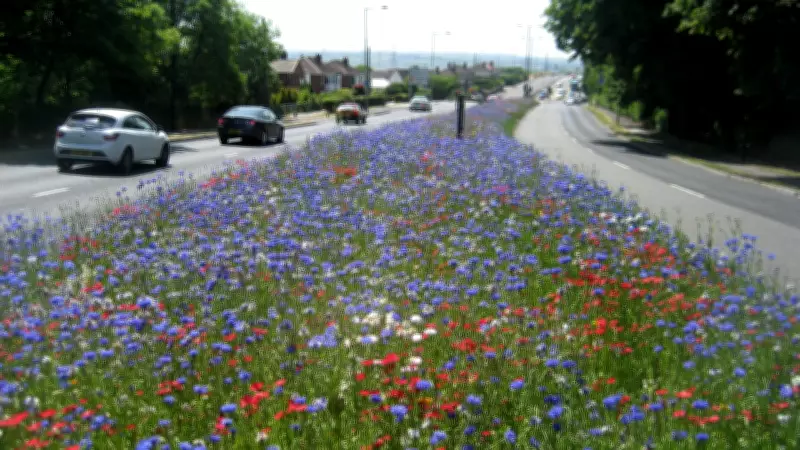
A seemingly modest policy adjustment in the English town of Rotherham has evolved into one of the most celebrated examples of affordable environmental transformation. In 2013, local authorities made a pivotal decision to cease mowing extensive sections of roadside grass, opting instead to cultivate vibrant wildflower meadows. This strategic shift has yielded remarkable outcomes, significantly reducing maintenance expenditures, attracting diverse wildlife, and converting previously mundane verges into thriving ecological corridors.
The Genesis of a Green Initiative
The initiative originated from a comprehensive reassessment of urban green space management practices. Rather than viewing roadside verges as areas demanding perpetual trimming, the council investigated their potential to fulfill ecological functions. Approximately eight miles of grass verges were carefully selected and replanted with meticulously curated wildflower mixtures. These blends were engineered to bloom sequentially throughout the seasons, guaranteeing uninterrupted floral displays and consistent nourishment for pollinators. The project rapidly gained recognition as a "river of flowers," symbolizing its visual and environmental impact.
Substantial Financial and Ecological Returns
Prior to implementation, maintaining these verges necessitated frequent mowing, substantial labor, and traffic control measures, collectively inflating operational costs. By minimizing mowing frequency and adopting seasonal maintenance protocols, the town achieved dramatic expense reductions. The annual savings approximated £25,000, demonstrating that environmental stewardship need not entail exorbitant investments. In this instance, reduced human intervention produced superior ecological and economic outcomes.

One of the most compelling results was the swift resurgence of wildlife. As wildflowers established themselves, the verges promptly attracted bees, butterflies, and various pollinators. Bird populations also rebounded, lured by burgeoning insect and seed availability. These roadside strips effectively functioned as miniature ecosystems, helping to rehabilitate habitats that have been diminishing across the United Kingdom for decades.
Strategic Planning Beyond Simple Neglect
Despite its apparent simplicity, the project involved deliberate planning and design. The wildflower mixtures were specifically chosen to:
- Bloom at staggered intervals throughout the year
- Offer reliable nectar sources for pollinators
- Sustain visual attractiveness across all seasons
To ensure safety and visibility, a narrow strip adjacent to the roadway continued to be trimmed regularly, while the remainder was allowed to flourish naturally. This balanced approach addressed practical concerns while maximizing ecological benefits.
Redefining Urban Aesthetics and Public Perception
The initiative also contested entrenched notions regarding urban appearance. Conventionally, neatly manicured grass has been equated with conscientious upkeep, whereas longer vegetation is frequently perceived as neglect. Rotherham's methodology demonstrated that a more natural aesthetic can be both deliberate and advantageous. Over time, public attitudes gradually shifted as residents observed the environmental and visual merits of the transformation.
Broader Implications and Replicability
The project's success has captured attention from numerous other councils and environmental organizations. It serves as a compelling case study illustrating how minor, pragmatic modifications can yield multiple simultaneous benefits. As municipalities worldwide seek methods to curtail expenses and enhance sustainability, analogous initiatives are being contemplated and implemented elsewhere.
Individual Applications and Scalability
The underlying principle extends beyond governmental applications. Individuals can emulate this approach on a smaller scale by:
- Allowing sections of gardens to grow wild
- Planting indigenous flowers
- Reducing lawn mowing frequency
Even limited land parcels can sustain pollinators and establish micro-habitats, contributing to local biodiversity.

Rotherham's wildflower verges exemplify that meaningful environmental progress does not invariably demand intricate solutions. By reconsidering a routine practice, the town successfully conserved funds, supported wildlife, and redefined urban landscape paradigms. This initiative stands as a potent reminder that occasionally, the most efficacious course of action involves stepping back and permitting nature to orchestrate recovery.





