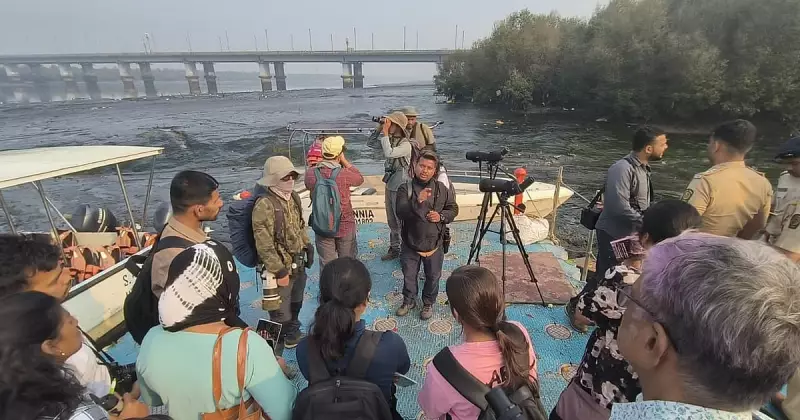
The Mangrove Cell, a key environmental authority in Maharashtra, has successfully conducted the Asian Waterbird Census (AWC) across the extensive Mumbai metropolitan region. This important ecological survey is part of a broader global effort to track and conserve waterbird populations, providing crucial data for biodiversity conservation in urban and coastal areas.
What is the Asian Waterbird Census?
The Asian Waterbird Census is organized by Wetlands International, a leading global non-profit organization dedicated to wetland conservation. It operates under the umbrella of the global International Waterbird Census, which coordinates similar efforts worldwide to ensure standardized monitoring of avian species. The census is conducted annually during the month of January, a period chosen for its optimal conditions for bird counting and migration patterns.
Significance for Mumbai's Ecosystem
Conducting this census in the Mumbai metropolitan region holds immense importance due to the city's unique coastal and wetland habitats. Mumbai, with its mangroves, creeks, and urban water bodies, serves as a critical stopover and breeding ground for numerous waterbird species. The data collected helps in assessing the health of these ecosystems, identifying threats such as pollution or habitat loss, and informing conservation policies.

Key objectives of the census include:
- Monitoring population trends of waterbirds to detect any declines or increases.
- Identifying important wetland sites that require protection or restoration.
- Contributing to global databases that support international conservation agreements.
- Raising public awareness about the importance of wetlands and waterbirds in urban environments like Mumbai.
Role of the Mangrove Cell
The Mangrove Cell, under the Maharashtra Forest Department, plays a pivotal role in executing the census in Mumbai. Their involvement ensures that local expertise and resources are leveraged to cover diverse areas, from the Thane Creek to the Sanjay Gandhi National Park. This collaboration highlights the synergy between global initiatives and local governance in addressing environmental challenges.
By participating in the Asian Waterbird Census, Mumbai contributes to a larger narrative of global biodiversity conservation, emphasizing the city's commitment to sustainable urban development.