

Mysuru Forest Department Intensifies Wildfire Prevention Amid Rising Summer Temperatures
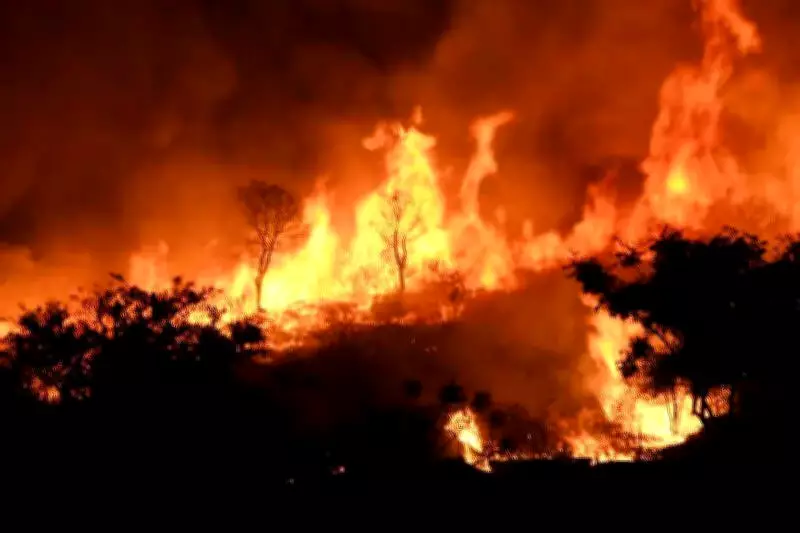
In response to escalating summer temperatures, the forest department in Mysuru has significantly ramped up its efforts to prevent and manage wildfires in the lush Chamarajanagar district. This region, renowned for its rich biodiversity, boasts approximately 50% forest cover, making it particularly vulnerable to fire outbreaks during the hot season.
Targeted Protection for Key Wildlife Areas
Officials have prioritized critical conservation zones, including the Bandipur and Biligiri Ranganatha Swamy Temple (BRT) Tiger Reserves, as well as the Cauvery and MM Hills wildlife sanctuaries. Special attention is also being given to forest fringes along national and state highways, where human activity can heighten fire risks. The Bandipur Tiger Reserve spans an impressive 1,100 square kilometres, while the BRT Tiger Reserve covers 625 square kilometres and the MM Hills Sanctuary extends over 906 square kilometres.
Comprehensive Safety Measures Implemented
To safeguard these vital ecosystems, the department has deployed additional staff, forest watchers, and local community members to monitor safety protocols throughout the summer. Given the district's mix of deciduous and scrub forests, proactive steps include digging trenches and creating hundreds of kilometres of firelines in areas prone to blazes. Moreover, fire watchers have been recruited on an outsourcing basis to bolster surveillance efforts.

Awareness campaigns targeting tribal communities and villagers are underway to educate residents on fire prevention and response. Despite reports of wildfires in locations such as Gundimala in the Bailur Forest Range of MM Hills Sanctuary, where vast tracts of land and bamboo vegetation were destroyed, and Karadimuttina Sirehalla in the BRT Tiger Reserve, where 9 acres were burnt in mid-February and March, officials noted that the overall impact remained minimal.
Leveraging Technology for Enhanced Detection
The forest department has integrated advanced technology to improve wildfire management. Artificial intelligence-powered surveillance cameras and rapid response systems installed in the Bandipur and BRT tiger reserves enable immediate detection of forest fires, allowing for quicker interventions and reducing potential damage.
Officials Express Confidence in Preparedness
Bandipur Tiger Reserve Project director S Prabhakaran reported that no fire incidents had occurred within his jurisdiction as of the first week of April this year. He attributed this success to the department's thorough preparations. "However, heavy to moderate pre-monsoon rain accompanied by hailstones during mid-March and the first week of April brought some respite to the department officials," Prabhakaran stated. "This rainfall helps improve moisture levels, promotes vegetation growth to ease fodder availability, fills ponds and lakes, and ensures drinking water for wildlife in the Bandipur Tiger Reserve limits."
With these multifaceted strategies in place, the Mysuru forest department remains vigilant in its mission to protect Chamarajanagar's precious green cover from the threats posed by rising summer temperatures.






