Nabard Calls for Micro Irrigation Strategy in Goa to Combat Climate Change
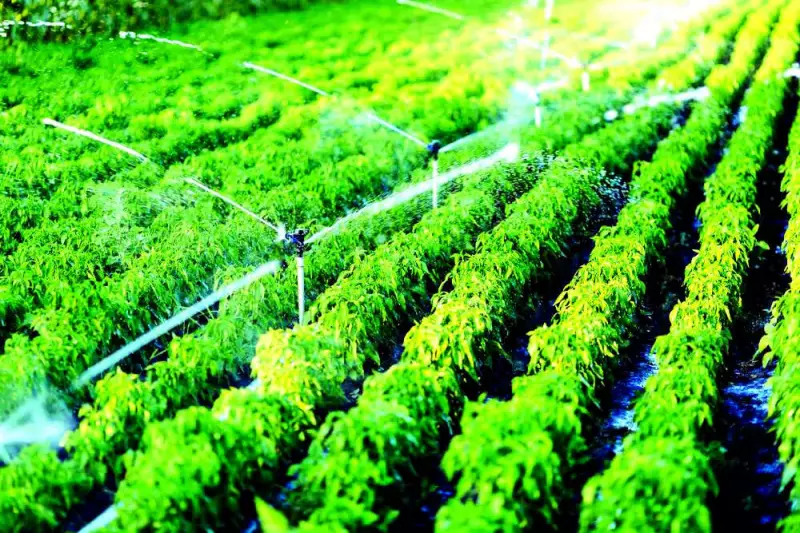
In a significant development, the National Bank for Agriculture and Rural Development (Nabard) has highlighted Goa's acute vulnerability to climate change and recommended that the state government formulate a comprehensive micro irrigation plan. This initiative is particularly crucial for remote villages that face heightened environmental risks.
Focus on Remote Villages and Climate-Smart Agriculture
Nabard has expressed its willingness to support Goa in promoting climate-smart agriculture through multiple approaches. These include the implementation of micro irrigation systems, effective soil health management practices, and the adoption of integrated farming techniques. The bank emphasized that these measures are essential for building resilience against climate impacts.
Goa should prepare a micro-irrigation fund-backed plan focusing on horticulture belts and khazan fields to boost yields and conserve water, especially as rainfall variability intensifies, stated Nabard in its state focus paper for the period 2026-27. This recommendation underscores the urgency of addressing water scarcity and agricultural productivity in the face of changing weather patterns.

Central Support Through Micro Irrigation Fund
The Central government has established a Micro Irrigation Fund (MIF) with a substantial corpus of Rs 5,000 crore, managed by Nabard. This fund is designed to assist states in mobilizing resources for expanding micro irrigation coverage. It supports special and innovative projects while incentivizing farmers to install micro irrigation systems, thereby promoting sustainable agricultural practices.
Additional Recommendations for Infrastructure and Renewable Energy
Beyond micro irrigation, Nabard's report includes several other key suggestions:
- Tail-end distribution and modernization of pumping systems, including the installation of storage tanks to serve remote villages effectively.
- Scaling up renewable energy adoption through schemes that promote solar pumps and biogas plants, reducing dependency on non-renewable resources.
- Encouraging precision farming, digital soil health monitoring, and the adoption of IoT-based irrigation systems to enhance efficiency and productivity.
Urgent Need for Adaptation Measures
The state focus paper clearly outlines that Goa's vulnerability to climate change, especially in coastal areas, necessitates immediate adaptation measures. Nabard's comprehensive recommendations aim to address these challenges by integrating advanced agricultural technologies and sustainable practices. By doing so, the state can better conserve water, improve crop yields, and build long-term resilience against environmental threats.