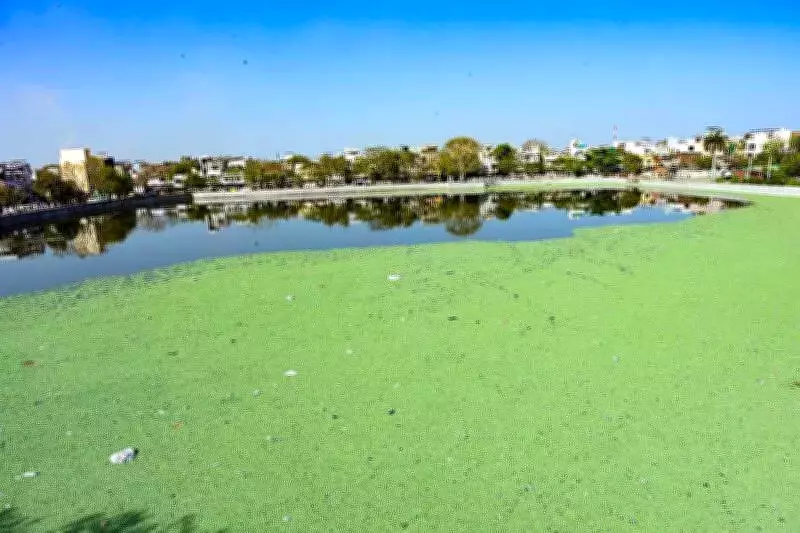
Nagpur's Vanishing Lakes: A Crisis of Civic Neglect and Environmental Degradation
Nagpur's lakes, once vital natural flood buffers and groundwater recharge systems, are steadily vanishing amid civic neglect, unchecked encroachments, and the continuous inflow of untreated sewage. This environmental crisis has come into sharp focus following official records that reveal a disturbing trend of lake disappearance and mismanagement.
Disappearing Water Bodies: The Stark Reality
Recent data indicates that two lakes have virtually disappeared from Nagpur's official inventory. According to an RTI reply from the Nagpur Municipal Corporation's public health engineering department, Dobi Lake and Sanjay Gandhi Lake have merged, effectively erasing them from the city's list of water bodies. Environmentalists highlight this as a stark example of how administrative indifference and poor protection mechanisms are leading to the gradual disappearance of Nagpur's lakes.
Currently, only 5 out of the 11 lakes in Nagpur are under the jurisdiction of the Nagpur Municipal Corporation. The remaining six are owned by different agencies, creating a fragmented ownership structure that urban planners identify as a major hurdle in conservation efforts. This lack of centralized control often results in accountability gaps and ineffective management.

Pollution and Encroachment: Twin Threats to Remaining Lakes
The situation of the remaining lakes is hardly better. Ambazari Lake, the city's largest water body, is slowly dying due to the unchecked spread of water hyacinth and continuous discharge of untreated sewage from more than five sources. Experts warn that without urgent intervention, the lake could lose its ecological capacity within a few years.
Similarly, Sonegaon and Sakkardara lakes have lost almost their entire catchment areas, largely due to construction activities permitted by planning authorities over the years. With natural inflow channels blocked or altered, these lakes are increasingly dependent on stormwater and sewage inflows, exacerbating pollution levels.
Pollution is rampant in several other lakes, including Naik, Binaki, and Lendi Talao, which continue to receive untreated sewage water. This severely affects water quality and complicates rejuvenation efforts. Encroachments by hutments and informal settlements along lake peripheries further hinder conservation works, as seen in the case of Lendi Talao, where rejuvenation projects could not proceed due to such issues.
Funding and Conservation Efforts: A Patchwork Approach
Despite the worsening condition of lakes, the Nagpur Municipal Corporation admitted in its RTI reply that no funds were received under the State Lake Conservation Scheme during the review period from January 1, 2015, to January 31, 2026. Civic officials clarified that some lake-related works were undertaken using funds from other state government schemes, as the dedicated lake conservation scheme has been closed for a decade.
For instance, the Gandhi Sagar Lake rejuvenation project received Rs 48 crore for beautification and restoration. While most civil works are reportedly completed, the installation of fountains and construction of retaining walls on the western and northern sides remain pending. Other lakes have also seen funding allocations under various schemes, such as Moolbhut Suvidha and Nagarik Suvidha, but this piecemeal approach falls short of addressing the systemic issues.
Broader Implications and Urgent Calls for Action
Environmentalists argue that Nagpur once had a well-connected network of natural and man-made lakes that helped regulate stormwater flows and maintain ecological balance. The shrinking number of lakes, combined with rampant urbanization, is now increasing the risk of urban flooding, groundwater depletion, and loss of biodiversity.
Experts emphasize the urgent need for a comprehensive lake conservation policy, strict protection of catchment areas, and coordinated management across agencies. They warn that without decisive action, more lakes may soon vanish from Nagpur's map, leading to irreversible environmental and urban planning consequences. The latest revelations underscore the critical importance of prioritizing lake conservation to safeguard the city's future resilience and ecological health.