Nagpur and the wider Vidarbha region have just weathered one of the most intense winter spells in recent memory, with temperatures stubbornly staying below the 10-degree Celsius mark for an extended period. The city itself emerged as the coldest in Vidarbha, highlighting a severe cold wave event that aligned with earlier meteorological predictions.
A Record-Setting Chill Grips the Region
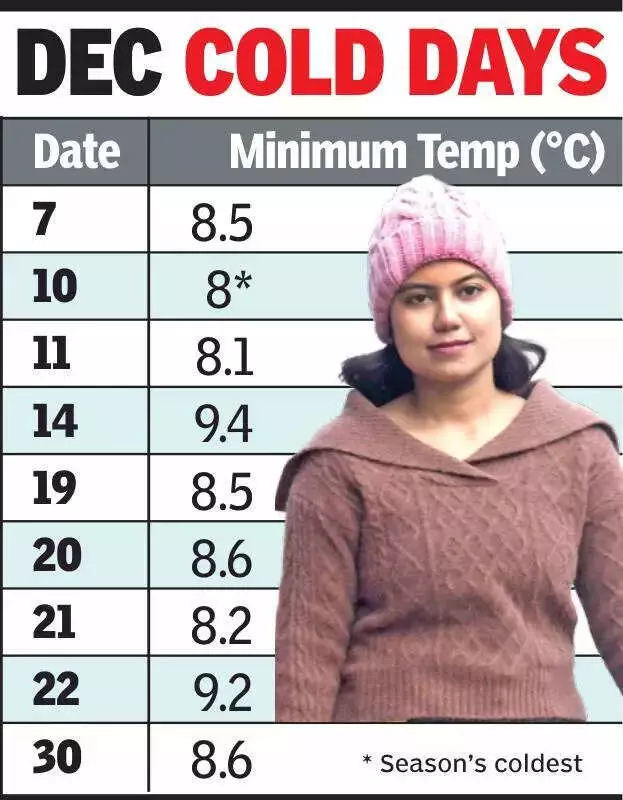
The mercury began its significant and steady descent from December 6 onwards, setting the stage for a prolonged cold snap. Since that date, Nagpur's minimum temperature managed to climb above the 10°C mark only once. The intensity of the cold was starkly evident on a recent Tuesday, when the city's minimum temperature plunged to a frigid 8.6°C, cementing its status as the coldest spot in Vidarbha.
This December proved exceptionally harsh, recording three official cold wave days. A day is classified as a cold wave day when the minimum temperature falls below 10°C and is at least 4.5 degrees below the normal average for the season. The sustained chill wasn't limited to the nights and early mornings; it also suppressed daytime temperatures, keeping them unusually low throughout the period.

IMD Forecast Proves Accurate
The severity of this winter event did not come as a complete surprise. The India Meteorological Department (IMD) had previously issued a forecast predicting a higher frequency of below-normal minimum temperatures during the December to January period. Their warning also included an expectation of an increase in the number of cold wave days. The conditions experienced in Nagpur and Vidarbha throughout December have largely validated this seasonal outlook, demonstrating the forecast's accuracy.
Health and Environmental Fallout
The extended period of cold weather has had tangible negative consequences for public health and the environment. In an attempt to find relief from the biting cold during nights and early mornings, many residents resorted to lighting bonfires using wood and various discarded materials. This widespread practice led to a significant release of smoke and particulate matter into the atmosphere.
The direct result was a marked deterioration in air quality. Nagpur, which typically experiences moderate air conditions, saw its air quality index slip into the 'poor' category for several consecutive days due to the combined effects of smoke and dust.
Simultaneously, local doctors reported a concerning rise in cases of respiratory infections, allergies, and fever. Medical professionals noted that the dual assault of the intense cold and the worsened pollution acted as a major aggravating factor, particularly for vulnerable individuals such as those suffering from asthma and other chronic respiratory ailments.
This recent winter episode in Nagpur serves as a stark reminder of how extreme weather events, predicted by scientific agencies like the IMD, can directly impact daily life, environmental health, and public well-being in urban centers.