

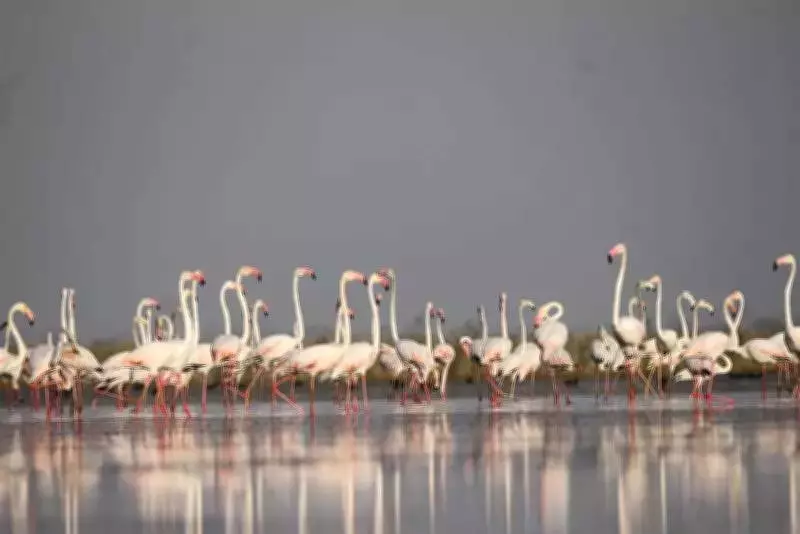
Silence and Reduced Human Activity Fuel Remarkable Bird Population Growth at Nalsarovar
In a striking demonstration of nature's resilience, the Nalsarovar Bird Sanctuary in Gujarat has witnessed a significant resurgence in its avian population. The latest bird census at this Ramsar site has recorded over five lakh birds spanning more than 200 different species. This represents a substantial 21% increase from the 4.12 lakh birds counted in 2024, marking one of the most successful seasons in recent memory for the sanctuary.
Absence of Tourism Activities Creates Ideal Conditions
The remarkable growth in bird numbers has been largely attributed to the dramatic reduction in human interference over the past two years. With boating activities suspended since January 2024 following safety concerns after the Harni tragedy in Vadodara, and significantly reduced tourist movement and noise pollution, the sanctuary has transformed into a more peaceful habitat for migratory and resident birds alike.
Around 250 boatmen who previously operated at the lake have been absent from the waters, creating undisturbed zones that experts say directly influence bird abundance and behavior. The quieter environment has encouraged larger congregations of birds and longer stays, particularly among migratory species that are sensitive to human disturbance.

Official Confirmation and Habitat Management Success
Aradhana Sahoo, chief conservator of forests associated with the Nalsarovar wetland, confirmed that census teams have already recorded counts exceeding the five-lakh mark. While the final consolidated figure is still being compiled by the forest department, the preliminary numbers indicate a remarkable recovery story.
Officials have attributed this success to multiple factors:
- Favorable habitat conditions throughout the wetland
- Improved water management practices
- Controlled flow of Narmada water maintained through sustained efforts by the forest department
- Current water levels of approximately 3.5 feet, which experts describe as ideal for roosting and feeding
Expert Observations and Rare Species Sightings
Devvratsinh Mori, a member of the State Wildlife Board who participated in the Nalsarovar Bird Estimation 2026, provided valuable insights from the field. "Areas with less tourist disturbance showed richer, more abundant birdlife," he observed, adding that "this is an important observation for future conservation and management strategies."
During the census, researchers documented several rare species that further highlight Nalsarovar's importance as a vital wetland habitat. These included:
- Pale Martin
- Australian stilt
- Greater white-fronted goose
Mixed Results Within Overall Success
While the total number of migratory birds reached its highest level in recent count cycles, observers noted some variations among specific species. Flamingos and cranes were comparatively fewer this season, showing a decline of approximately 20 percent. This contrast within the overall positive trend suggests that different bird species respond uniquely to changing environmental conditions and conservation measures.
The forest department's sustained efforts in water management have created stable wetland conditions that have supported higher bird presence and better distribution across the sanctuary. The controlled flow of Narmada water has been particularly crucial in maintaining the ecological balance necessary for supporting diverse bird populations.
This significant increase in bird numbers at Nalsarovar provides compelling evidence about the impact of reduced human activity on sensitive wetland ecosystems. As conservationists analyze the complete data set, the findings are expected to inform future management policies for protected areas across India, balancing ecological preservation with sustainable tourism practices.






