NATO Rift Exposed As Rutte Admits Allies Failing Ukraine's Defense
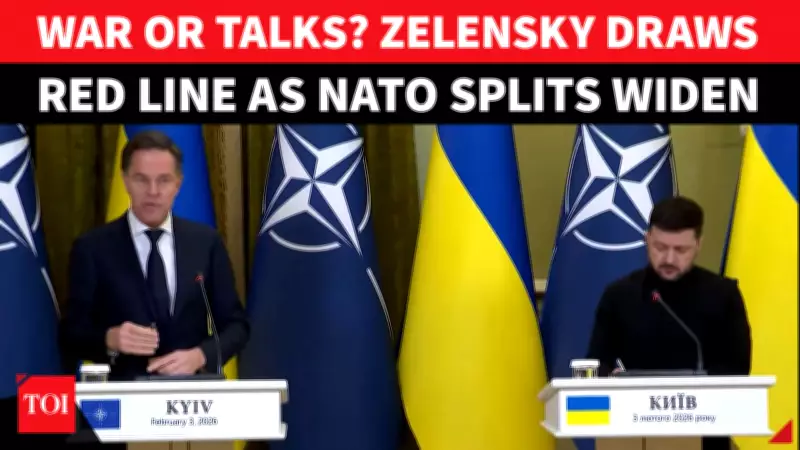
In a stark revelation that has sent shockwaves through international security circles, NATO Secretary General Mark Rutte has openly acknowledged deep divisions within the alliance regarding support for Ukraine. During a high-profile visit to Kyiv alongside Ukrainian President Volodymyr Zelensky, Rutte admitted that several NATO member states are contributing minimally to Ukraine's defense efforts, exposing a significant rift in Western solidarity.
Zelensky's Unwavering Stance: No Surrender, No Territorial Compromise
President Volodymyr Zelensky has once again hardened Ukraine's war stance, declaring unequivocally that surrender and territorial compromise are absolutely not on the table. This firm declaration comes even as diplomatic channels with Russia have resumed, indicating Ukraine's determination to continue the fight despite ongoing negotiations.
"We will listen to Moscow's proposals, but our position remains clear - this fight is far from over," Zelensky stated during the joint appearance with Rutte. The Ukrainian leader's words reflect a nation prepared for prolonged conflict, even as civilian casualties mount and infrastructure continues to suffer damage.

NATO's Internal Divisions Laid Bare
Mark Rutte's candid admission about NATO's internal struggles represents a significant departure from the alliance's typically unified public messaging. While pledging continued support for Ukraine, the NATO chief revealed that the burden of military and financial assistance is not being shared equally among member states.
This acknowledgment comes at a critical juncture in the conflict, as Ukraine faces ammunition shortages and increasing pressure on multiple fronts. The revelation suggests that behind the scenes, NATO members are engaged in intense debates about the scope, duration, and nature of their commitment to Ukraine's defense.
The Geopolitical Implications of Divided Support
The exposed rift within NATO carries profound implications for global security architecture:
- It potentially emboldens Russian strategic calculations about Western resolve
- It creates uncertainty about long-term military assistance to Ukraine
- It raises questions about NATO's cohesion in facing future security challenges
- It complicates diplomatic efforts to achieve a sustainable peace settlement
The timing of these revelations is particularly significant, occurring alongside renewed peace talks between Ukraine and Russia. This juxtaposition creates a complex diplomatic landscape where military realities and negotiation positions are deeply intertwined.
Kyiv's Strategic Position Amidst Western Discord
For Ukraine, the acknowledgment of NATO divisions presents both challenges and opportunities. While potentially concerning for immediate military support, it also allows Kyiv to better understand the political landscape within the alliance and adjust its diplomatic strategy accordingly.
Zelensky's firm rejection of surrender or territorial compromise, even as he engages in talks with Moscow, demonstrates a sophisticated approach to conflict resolution - one that combines military resistance with diplomatic engagement while maintaining clear red lines.
The situation in Kyiv remains tense, with the city having endured numerous attacks throughout the conflict. Yet, the Ukrainian leadership's resolve appears unshaken, even as they navigate the complexities of both battlefield realities and alliance politics.