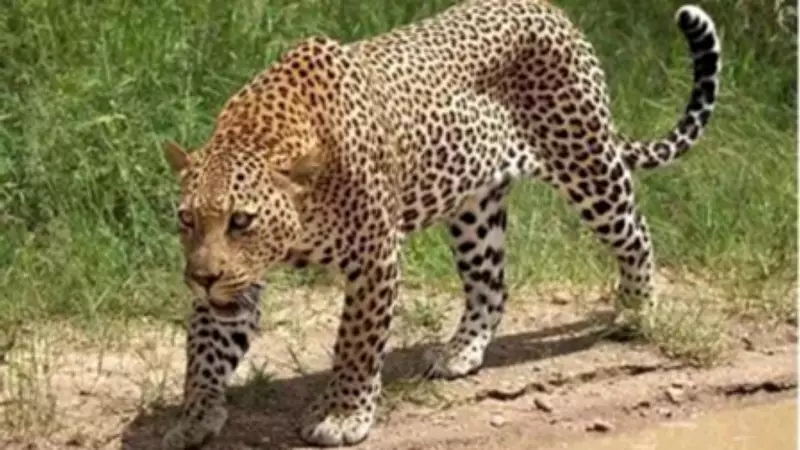
Navi Mumbai Citizens Demand Water Sources to Prevent Leopard Encounters
In response to the recent surge in frequent leopard sightings in the Belapur and Kharghar Hill areas of Navi Mumbai, which have been officially confirmed by forest officials, the Forum-Sajag Nagrik Manch has taken decisive action. The civic group has submitted a comprehensive representation to the Thane Forest Department, strongly urging authorities to restore natural water sources within the forest. This initiative aims to prevent wild animals, particularly leopards, from straying into human settlements in search of water, thereby reducing the risk of dangerous human-wildlife encounters.
Root Causes of Leopard Sightings in Urban Areas
Sudhir Dani, the President of the Forum, highlighted the primary factors driving these incidents. The main concern is human encroachment into natural habitats under the guise of infrastructure development. Additionally, Dani emphasized the critical issue of water scarcity in the forests. He pointed out that the forest department has failed to provide perennial water bodies for wildlife, including leopards, forcing these animals to venture into residential areas to quench their thirst.
Environmentalist BN Kumar, Director of the NatConnect Foundation, provided further insight into the situation. "This is a classic case of human-animal conflict triggered by relentless encroachment into wild habitats," Kumar stated. He identified intensified blasting and heavy machinery operations across the Kharghar hills—whether for tunnel construction or allegedly unchecked quarrying—as key disruptors of fragile ecosystems. Such sustained disturbances compel wildlife to abandon their natural habitats and stray into human settlements in search of safety and food.

Regulatory Gaps and Ecological Concerns
Kumar raised an alarming point regarding regulatory oversight. Hill tunnelling projects do not require an independent Environmental Impact Assessment (EIA), creating significant regulatory gaps that leave sensitive zones vulnerable to unmitigated damage. He warned that infrastructure expansion, pursued without adequate ecological safeguards, is steadily shrinking wildlife corridors and heightening the risk of conflict between humans and animals.
Specific Demands for Conservation
The Forum has outlined specific demands to address these pressing issues. Dani detailed the key proposals:
- Creation of watering holes by establishing perennial water facilities (artificial or natural) near the foothills of Green Valley (Sector 9) and the Waghoba Temple area in Phanswadi atop Kharghar hills.
- Restoration of an ancient natural lake in CBD-Belapur Sector 8, which is currently in ruins due to illegal debris dumping. Its immediate restoration could serve as a vital water source for wildlife.
To implement these measures effectively, the Forum has called for a joint technical survey involving the Thane Forest Department, CIDCO, and NMMC. Additionally, they have requested the allocation of necessary funds for these conservation projects to ensure their successful execution and long-term sustainability.