

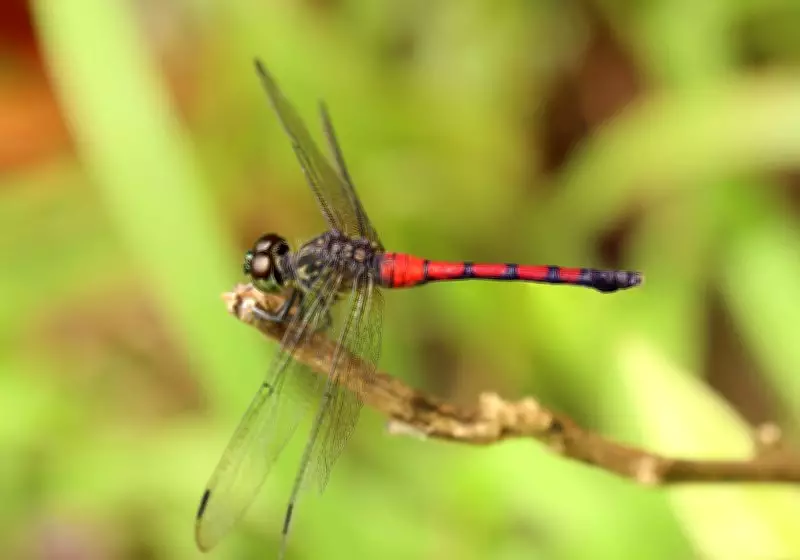
New Dragonfly Species Discovered in Kerala's Farmlands
In a significant development for biodiversity research, scientists have identified a new species of dragonfly thriving in the agricultural landscapes of Kerala. This discovery underscores the rich and often overlooked wildlife diversity present in India's farming regions.
Details of the Discovery
The newly found dragonfly, tentatively named the 'Kerala Farmland Skimmer,' was observed in various farmlands across the state. Researchers noted its unique physical characteristics, including distinct wing patterns and body coloration, which differentiate it from known species. The dragonfly has adapted well to the humid and semi-aquatic environments typical of Kerala's agricultural areas.
Importance for Biodiversity
This discovery highlights the critical role that agricultural ecosystems play in supporting wildlife. Farmlands in Kerala, with their irrigation channels and paddy fields, provide ideal habitats for dragonflies, which are important indicators of environmental health. The presence of this new species suggests that these areas may harbor more undiscovered biodiversity, emphasizing the need for conservation efforts in non-protected zones.

Dragonflies are known for their role in controlling insect populations, such as mosquitoes, making them beneficial for both natural ecosystems and human agriculture. The identification of the Kerala Farmland Skimmer adds to the growing list of dragonfly species in India, which is already home to over 500 known types.
Research and Future Implications
The discovery was made through field surveys conducted by entomologists and wildlife experts. Further studies are planned to:
- Confirm the species' classification through genetic analysis.
- Map its distribution across Kerala and possibly neighboring states.
- Assess its population status and any threats from agricultural practices.
This finding could influence policies on sustainable farming and wildlife conservation, promoting practices that protect such species while supporting agricultural productivity. It also opens avenues for more research into the biodiversity of India's farmlands, which are often understudied compared to forests and protected areas.
In summary, the discovery of the new dragonfly species in Kerala's farmlands is a testament to the region's ecological richness. It calls for increased awareness and efforts to preserve these habitats, ensuring that such unique wildlife continues to thrive alongside human activities.






