

New Mahogany Species Discovered in Zanzibar, Already Critically Endangered
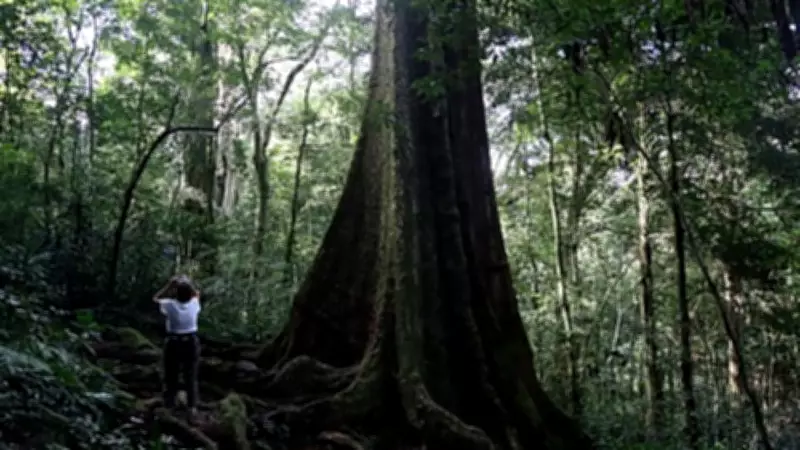
In a significant botanical breakthrough, researchers have identified a new species of mahogany tree growing in the coastal forests of Zanzibar. This discovery highlights the rich yet fragile biodiversity of East Africa's rare forest ecosystems. However, the finding comes with an urgent conservation warning: scientists estimate that fewer than 30 adult trees of this newly identified mahogany species exist in the wild, placing it in immediate peril.
Scientific Identification and Taxonomic Analysis
The new mahogany species was confirmed through extensive studies and botanical comparisons conducted within Zanzibar's geographical boundaries. Researchers from the French Agricultural Research Centre for International Development reported discovering a small population of these trees along Zanzibar's coastline. Through meticulous taxonomical analysis, they established the tree's uniqueness, distinguishing it from other known mahogany varieties.
Most African mahogany trees belong to the Khaya genus, which includes various timber species distributed across the continent. This new discovery adds a previously unknown member to this important plant family, demonstrating how many plant species may still remain hidden in unexplored habitats.

Critical Conservation Alert: Fewer Than 30 Trees Remain
What makes this discovery particularly alarming is the extremely limited population size. With fewer than 30 individual trees confirmed in their natural habitat, the species automatically qualifies for the highest risk category of extinction. According to field research documented in the CABI Compendium, the species has been listed as critically endangered due to its tiny population and restricted distribution.
This scarcity makes the mahogany exceptionally vulnerable to both natural and human-induced environmental factors. Experts emphasize that at such low numbers, the species likely faces a genetic bottleneck, where sexual reproduction becomes challenging and long-term survival prospects appear questionable. Each remaining tree therefore carries immense significance for the species' continued existence.
Biodiversity Significance and Habitat Vulnerability
The Zanzibar mahogany discovery represents more than just a botanical achievement; it serves as a stark reminder of environmental vulnerability in the region. Coastal forests in Zanzibar have been identified as among the most endangered habitats due to agricultural expansion and human encroachment.
While tropical forests worldwide are celebrated for their extraordinary floral and faunal diversity, these ecosystems remain highly sensitive to disturbances. Even minor landscape alterations can cause irreversible damage to endangered species. In many ecosystems, habitat destruction severely limits plant reproduction and long-term survival prospects.
Thus, the Zanzibar mahogany stands as more than just another tree species; it symbolizes the urgent need to preserve remaining pockets of tropical forests that may harbor unknown or critically endangered species.
Urgent Calls for Protection and Further Research
Given the precarious population status, conservationists are calling for immediate action including habitat protection, propagation efforts, and comprehensive ecological studies. Without swift intervention, this species risks extinction before scientists can fully understand its characteristics and ecological role.
This discovery serves as compelling evidence that even as we continue to identify new species, many others may be disappearing without our knowledge. The conservation of these trees becomes particularly vital considering their potential contributions to local ecosystems and broader biodiversity.
The finding underscores the importance of continued exploration and protection of vulnerable habitats, where undiscovered species might still survive against increasing environmental pressures.






