The year 2025 proved to be a landmark period for biodiversity science, with researchers uncovering a stunning array of new species from the ocean's abyss to remote mountain peaks. These discoveries, ranging from a 21-million-year-old sea cow to toads that give live birth, are reshaping our understanding of life on Earth and highlighting the urgent need for conservation.
From Qatar's Deserts: A Prehistoric Climate Ally
In a significant paleontological find, scientists excavated the fossilised remains of an ancient sea cow from the grounds of Al Maszhabiya in Qatar. Dubbed Salwasiren qatarensis, this creature inhabited the Persian Gulf approximately 21 million years ago. Unlike modern cattle, this prehistoric mammal was an ecosystem engineer and a carbon-sequestering powerhouse. By grazing on seafloor vegetation, it helped cycle nutrients and prevented stagnation, playing a role similar to modern dugongs in maintaining healthy marine ecosystems.
Andean Heights: A Race Against Time
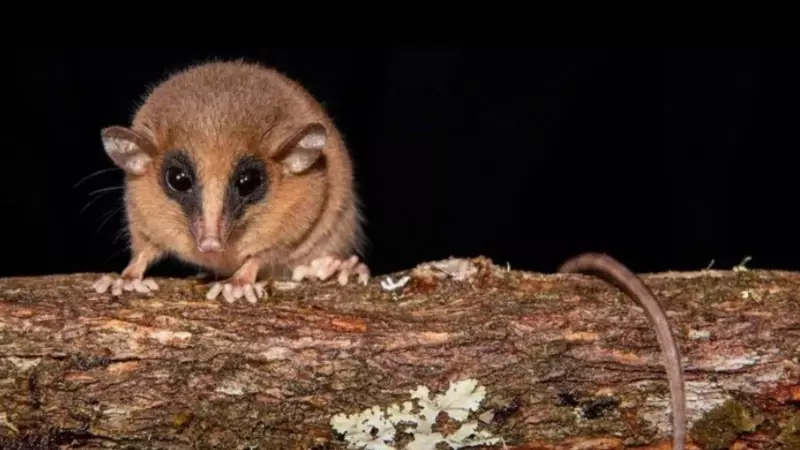
High in the Peruvian Andes, within the rugged Río Abiseo National Park, researcher Silvia Pavan from Cal Poly Humboldt made a thrilling discovery. She identified a new species of mouse opossum, named Marmosa chachapoya to honour the indigenous Chachapoya people. This bright reddish-furred marsupial, distinguished by its long and delicate snout and unique cranial structure, survives at elevations where few mammals can. DNA sequencing confirmed its distinct lineage. Pavan issued a stark warning: the accelerating climate shifts threatening these mountains make documenting such species a critical race against time.

Deep-Sea Charisma and a Californian Cryptic Spider
The deep ocean yielded one of the year's most charming discoveries: the bumpy snailfish. Found drifting 11,000 feet below the Pacific near Central California, this fish captivated the public with its oversized eyes and a mouth that forms a permanent grin. Researcher Mackenzie Gerringer of SUNY Geneseo noted that such charismatic deep-sea life helps people connect with this alien environment. Importantly, the snailfish's habitat acts as a massive global carbon sink.
Meanwhile, in Northern California, biology professor Marshal Hedin discovered a new genus of spider, Siskiyu armilla, near his childhood home. The identification, led by Rodrigo Monjaraz Ruedas, relied on genetic analysis because the spider resembles many other brown species. This find hints that California, already a hotspot for spider diversity, may conceal dozens more cryptic species.
A Century-Old Amphibian Mystery Solved
In Tanzania's Eastern Arc Mountains, a multinational team solved a long-standing puzzle. Using next-generation sequencing on over 200 preserved museum specimens, they identified three new species of toads in the Nectophrynoides genus. The breakthrough? These amphibians give birth to fully formed live young, a rarity among frogs and toads. However, researcher John Lyakurwa delivered sobering news: these species are in drastic decline, with one of the newly named toads potentially already extinct.
These 2025 discoveries underscore the incredible, often hidden, tapestry of life. They celebrate scientific perseverance while serving as a powerful reminder of the fragility of biodiversity in the face of climate change and habitat loss. Each new species documented is a vital piece added to the puzzle of our planet's history and health.