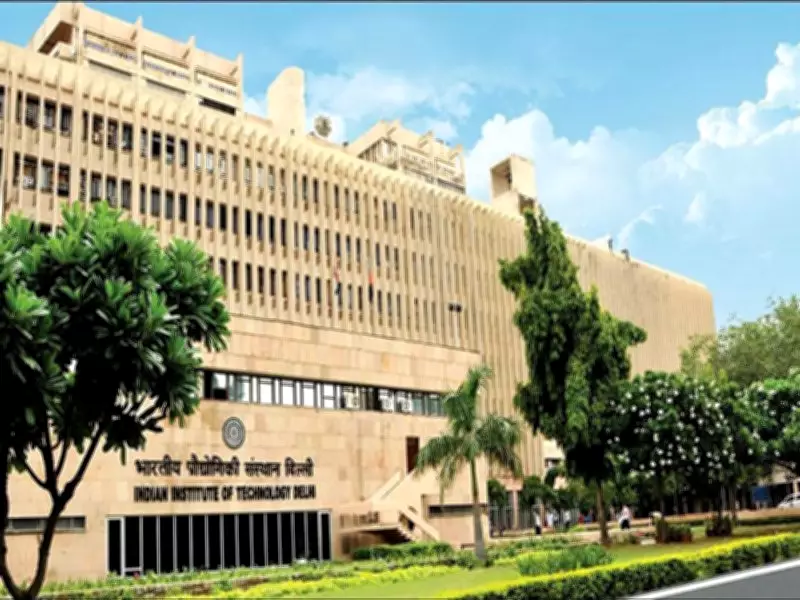
National Green Tribunal Directs Delhi Jal Board to Clarify Funding for IIT-Delhi's UV Technology Study
The National Green Tribunal (NGT), Principal Bench in New Delhi, has taken a significant step in addressing water pollution by seeking a formal response from the Delhi Jal Board (DJB) regarding the funding for a critical study conducted by the Indian Institute of Technology-Delhi. This study aims to evaluate the feasibility and effectiveness of ultraviolet (UV) technology for disinfection in Sewage Treatment Plants (STPs) along the Yamuna river.
Background and Tribunal Proceedings
The Bench, comprising Chairperson Justice Prakash Shrivastava and Expert Member Afroz Ahmad, was hearing an application that originated from a news report highlighting the inadequacy of many of Delhi's STPs in effectively tackling pollution in the Yamuna. During the proceedings, the Tribunal referenced its earlier order dated August 22, 2025, which had directed IIT-Delhi to examine the potential of UV technology for disinfecting sewage.
The proposed study is designed to determine essential technical parameters, including UV wavelength, intensity, exposure time, and the required distance to effectively reduce fecal coliform levels in treated sewage. This research is crucial for enhancing the efficiency of STPs and mitigating environmental damage.

Funding Request and Legal Developments
In a communication dated January 13, 2026, IIT-Delhi estimated the cost of the study at Rs 60,70,500 for 14 STPs and requested the remittance of this amount to proceed with the research. During the hearing, the counsel representing the Delhi Jal Board sought additional time to obtain instructions regarding the payment, while the Central Pollution Control Board (CPCB) also requested an adjournment citing personal difficulties.
Taking note of these submissions, the Tribunal issued a directive for the Delhi Jal Board to file an affidavit within 10 days, clarifying its position on the payment to IIT-Delhi. This move underscores the urgency of addressing funding issues to advance the study and improve sewage treatment infrastructure.
Next Steps and Implications
The matter has been scheduled for further hearing on April 1, 2026, indicating ongoing judicial oversight to ensure progress in combating water pollution. The Tribunal's actions highlight a concerted effort to leverage scientific research, specifically UV technology, in enhancing the disinfection processes at STPs, which is vital for protecting the Yamuna river and public health.
This development reflects broader environmental concerns in Delhi, where sewage treatment and river pollution have been persistent challenges. By mandating a response on funding, the NGT aims to facilitate timely implementation of innovative solutions, potentially setting a precedent for other regions facing similar issues.