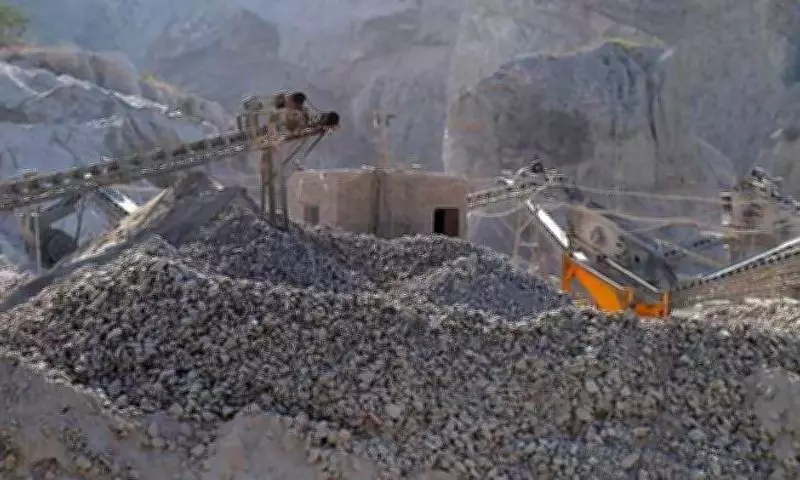
National Green Tribunal Cracks Down on Illegal Mining in Punjab
The National Green Tribunal (NGT) has issued a stern order for the immediate closure of 13 stone crusher units operating in the ecologically sensitive Shivalik Hills region of Punjab. This decisive action targets units located in the Hoshiarpur and Ropar districts, which have been found in violation of environmental norms.
Substantial Financial Penalty Imposed
In addition to the shutdown directive, the tribunal has imposed a massive cumulative penalty of ₹180 crore on the operators of these crushers. This penalty is intended to serve as both a punitive measure for past violations and a deterrent against future environmental degradation in the area.
Environmental Concerns in the Shivalik Region
The Shivalik Hills form a fragile ecosystem that has been under increasing threat from unregulated mining and crushing activities. These operations often lead to severe air and water pollution, soil erosion, and disruption of local biodiversity. The NGT's order underscores the critical need to protect this vulnerable landscape from further damage.

The tribunal's ruling specifically addresses crushers operating without proper environmental clearances or in violation of established guidelines. This enforcement action follows detailed investigations into the environmental impact of these industrial units on the surrounding hills and communities.
Impact on Hoshiarpur and Ropar Districts
The affected crushers are spread across both Hoshiarpur and Ropar, districts known for their proximity to the Shivalik range. Local residents and environmental activists have long raised concerns about the dust pollution, noise, and ecological harm caused by these operations.
This NGT intervention represents a significant victory for environmental conservation efforts in Punjab's hill regions. The substantial penalty amount—one of the largest imposed in recent memory for such violations—signals the tribunal's serious approach to enforcing green regulations.
Legal and Regulatory Context
The National Green Tribunal, established under the National Green Tribunal Act of 2010, has special jurisdiction over environmental disputes and enforcement. Its orders carry the force of law and must be implemented by concerned authorities, including state pollution control boards and district administrations.
Key aspects of the NGT's directive include:
- Immediate cessation of all crushing operations at the identified units
- Payment of the ₹180 crore penalty by the responsible parties
- Compliance verification by state environmental agencies
- Potential further action against non-compliant operators
This ruling is expected to set a precedent for stricter enforcement of environmental regulations in mining and industrial operations across similar ecologically sensitive zones throughout India.