The National Green Tribunal's central bench in Bhopal has taken decisive action against the deteriorating air quality in Madhya Pradesh. On Wednesday, it established a seven-member expert committee to investigate the persistent pollution crisis in eight cities, including the state capital, all of which are classified as 'non-attainment' areas for consistently failing to meet national air quality standards.
Composition and Mandate of the NGT Committee
The panel was formed by judicial member Sheo Kumar Singh and expert member Sudhir Kumar Chaturvedi. It comprises senior officials from key agencies: the state environment department, the regional office of the Union Ministry of Environment, Forest and Climate Change, the Environmental Planning and Coordination Organisation, urban development and transport authorities, and the Madhya Pradesh Pollution Control Board (MPPCB). Adding independent expertise is former Central Pollution Control Board (CPCB) official Ravi Prakash Mishra.
The MPPCB will provide logistical support to the committee, which has been directed to submit a factual and action-taken report within six weeks. The case is scheduled for its next hearing on March 18. Notices regarding this directive have been issued to the state chief secretary and ten other respondents.

The Scale of the Pollution Problem
The move comes in response to a petition filed by environmental activist Rashid Noor Khan, highlighting chronic violations of National Ambient Air Quality Standards for PM10 and PM2.5 over the past five years. The cities under scrutiny are Bhopal, Indore, Gwalior, Jabalpur, Sagar, Ujjain, Dewas, and Singrauli, all covered under the National Clean Air Programme.
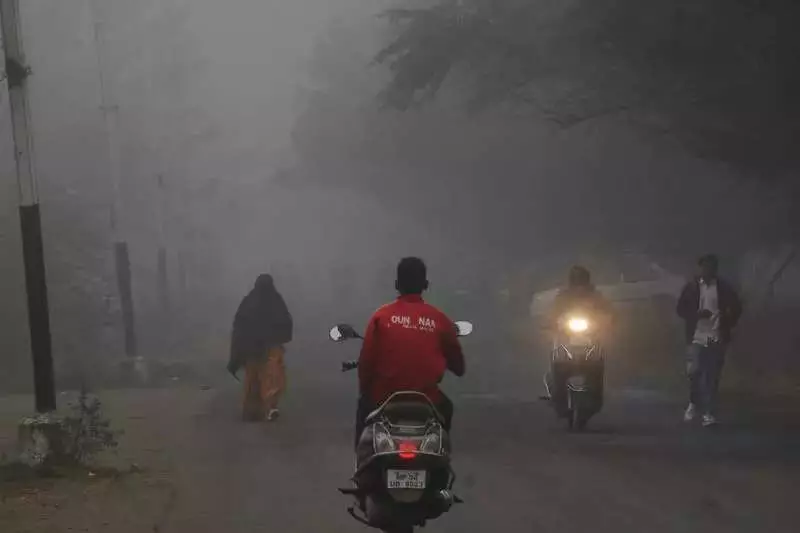
The data presented is alarming. Bhopal's annual average PM10 levels range between 130 to 190 micrograms per cubic meter, more than double the safe limit of 60 micrograms. Similarly, PM2.5 concentrations hit 80 to 100 micrograms against a cap of 40. Real-time monitoring shows Air Quality Index (AQI) readings hovering around 287 during the day and exceeding 300 at night in winter, frequently falling into the 'very poor' to 'severe' categories.
Key Pollution Sources Identified
Advocate Harshwardhan Tiwari, representing the petitioner, outlined multiple contributing factors. These include unregulated emissions from over 1.3 million vehicles, many operating without valid pollution-under-control certificates. Rampant stubble burning in nearby districts like Raisen and Sehore is a major concern, with over 31,000 fire incidents recorded in early 2025—the highest in India.
Other significant sources are unchecked dust from construction activities, smoke from firecrackers, open burning of waste at sites like the Bhanpur landfill, and industrial emissions. Bhopal's geographical location in a low-lying basin exacerbates the problem, especially during winter temperature inversions that trap pollutants, reduce visibility below 500 meters, and trigger a spike in respiratory illnesses. Similar patterns affect the other seven cities.
Despite previous orders from the tribunal and state government plans to manage crop residue and other pollution sources, compliance has been lacking, leading to a continuous decline in air quality. The new expert committee is now tasked with finding actionable solutions to this public health emergency.