

NGT Directs Swift Action on Illegal Tree Cutting in Dwarka Expressway Project
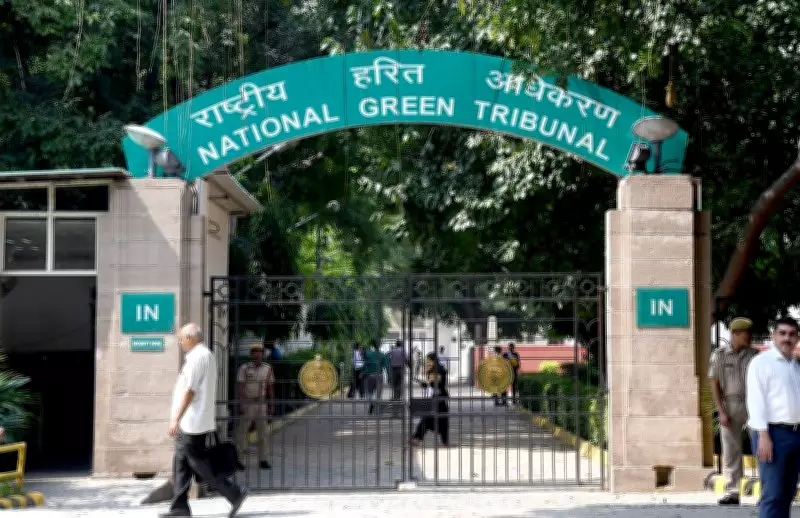
The National Green Tribunal (NGT) has issued a stern directive to the authorities in Delhi, demanding immediate and decisive action against the illegal felling of trees in the ongoing Dwarka Expressway project. This significant order comes in response to mounting concerns over environmental degradation and blatant violations of green norms in the capital city.
Details of the NGT Order and Environmental Concerns
The tribunal has specifically instructed the Delhi Development Authority (DDA) and other relevant agencies to submit a comprehensive and detailed report outlining the extent of the illegal tree cutting. This report must include precise data on the number of trees unlawfully removed, the specific locations affected, and the environmental impact assessment of these actions. The NGT emphasized that such unauthorized activities not only violate statutory provisions but also pose a severe threat to Delhi's already fragile ecosystem, contributing to air pollution and loss of green cover.
The Dwarka Expressway project, a major infrastructure initiative aimed at improving connectivity in the National Capital Region, has been under scrutiny for its environmental compliance. Reports indicate that several trees were cut down without obtaining the necessary permissions from the forest department or adhering to the mandated compensatory afforestation guidelines. This has raised serious questions about the project's adherence to sustainable development principles and the enforcement of environmental laws in urban planning.

Authorities' Response and Required Actions
In its order, the NGT has mandated that the concerned authorities must not only halt any further illegal tree felling but also initiate stringent penal actions against those responsible for the violations. This includes potential fines, legal proceedings, and measures to ensure accountability among contractors and officials involved in the project. The tribunal has set a strict timeline for the submission of the report, underscoring the urgency of addressing this environmental breach.
Environmental activists and local residents have welcomed the NGT's intervention, highlighting that such illegal activities undermine efforts to combat climate change and preserve urban greenery. They argue that infrastructure development should not come at the cost of ecological balance, and strict enforcement of green norms is essential for sustainable growth in metropolitan areas like Delhi.
Broader Implications for Urban Development and Green Governance
This case underscores the critical role of judicial oversight in enforcing environmental regulations, especially in fast-growing urban centers where development pressures often lead to compromises on green norms. The NGT's proactive stance serves as a reminder to all stakeholders—government agencies, private developers, and the public—about the importance of integrating environmental sustainability into infrastructure projects.
Moving forward, the authorities are expected to enhance monitoring mechanisms, ensure transparency in tree-felling permissions, and promote compensatory plantation drives to offset the loss of greenery. The outcome of this NGT order could set a precedent for similar cases across India, reinforcing the need for robust green governance in the face of rapid urbanization.






