

National Green Tribunal Issues Stay on Ravi River Desilting in Punjab Villages
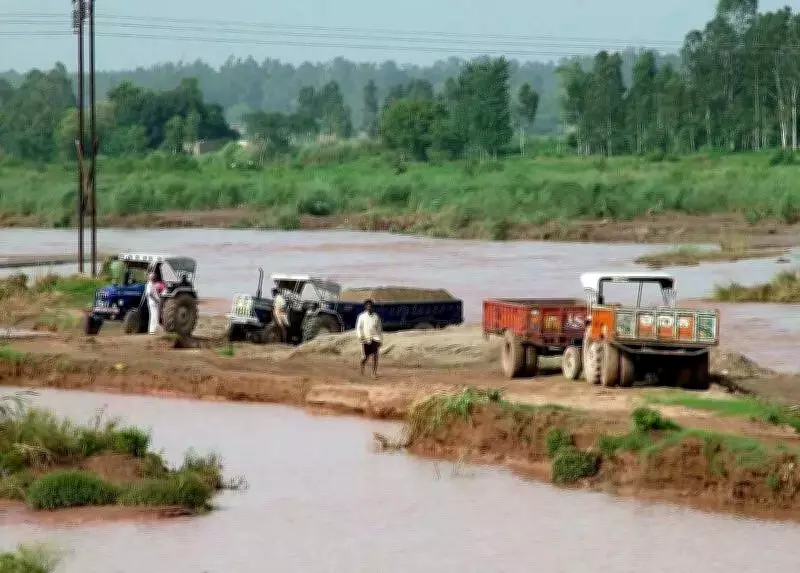
The National Green Tribunal (NGT) has imposed a significant stay on the desilting operations of the Ravi River in several villages within Punjab's Gurdaspur district. This directive specifically affects areas including Gurchak and Gunia, halting all desilting activities until the tribunal grants explicit permission. However, in a nuanced ruling, the NGT has allowed the tender proceedings for these projects to proceed without interruption.
Village Panchayat Challenges Auction Notices
The legal action was initiated by the gram panchayat of Galhri village in Gurdaspur, which filed a petition with the NGT. The panchayat contested a series of tender and auction notices issued by the mines and geology wing of Punjab's water resources department. These notices, dated December 19, and January 2, 3, and 5, pertained to the desilting and removal of riverbed material from the Ravi.
During the proceedings, the bench comprising NGT Chairperson Prakash Shrivastava and Expert Member A. Senthil Vel delivered the order on Saturday. They explicitly stated that desilting work "would not commence without the leave of the tribunal," reinforcing the stay while permitting the administrative tender process to advance.

Environmental Clearances and Commercial Concerns Raised
Advocate Nattasha Garg, representing the applicant, presented a compelling argument centered on environmental regulations. She contended that the dredging and desilting activities were intended for commercial purposes, thereby necessitating mandatory environmental clearances prior to the issuance of the auction notices. Garg emphasized that the scale of the project underscored its commercial nature.
In support of her plea, the counsel referenced a compliance report submitted via affidavit by the additional chief secretary of mines and geology for Punjab. This report highlighted recent legislative reforms, including:
- The enactment of the Punjab Regulation of Crusher Units, Stockists and Retailers Act, 2025.
- The notification of the Punjab State Minor Minerals (Amendment) Policy, 2025.
These measures introduce a "modern, technology-driven, accountable system" for monitoring mining and crusher activities, marking a departure from the previous Mining Policy of 2023 to enhance transparency and compliance.
Scale of Desilting Projects and Local Impact
The affidavit detailed that the Punjab water resources department has identified 85 desilting sites across the state. Among these, 36 sites are currently up for auction, covering an area of approximately 3,19,46,482 square feet and involving 25,55,05,547 cubic feet of material. The document noted that this desilted material would "open one more legal source for sale and processing of minor minerals in the open market," further substantiating the commercial intent.
Advocate Garg leveraged this data to argue that the substantial volume and associated royalty amounts clearly indicated a commercial motive. Additionally, she raised concerns about the potential adverse effects on Galhri village, located downstream. The petition asserted that the proposed desilting work could negatively impact the lands of villagers and the gram panchayat, threatening local livelihoods and environmental stability.
Tribunal's Response and Future Proceedings
In response to these submissions, the NGT bench has issued formal notices to all respondents involved in the case. The matter has been scheduled for further hearing on May 14, where additional arguments and evidence will be considered. This stay order represents a critical intervention by the tribunal, balancing developmental activities with stringent environmental safeguards to protect river ecosystems and community interests in Punjab.






