

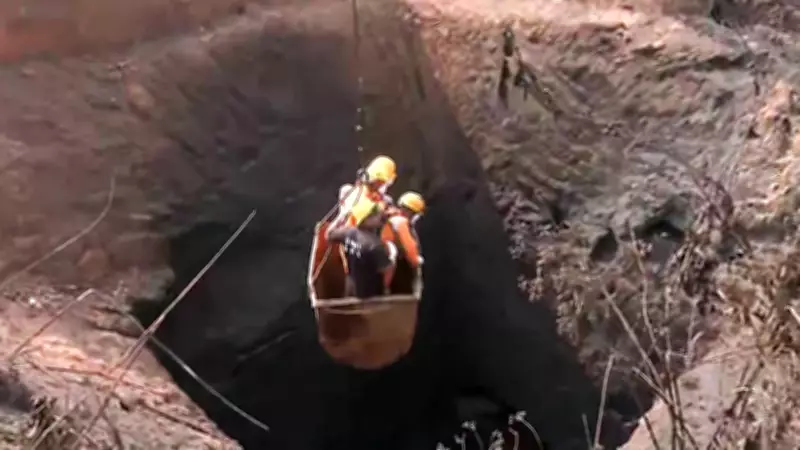
NGT Takes Suo Motu Cognizance of Meghalaya Coal Mine Blast, Issues Notices to State and Central Authorities
The National Green Tribunal (NGT) has taken suo motu cognizance of media reports detailing a devastating blast in an alleged illegally operated rat-hole coal mine in Meghalaya, which has resulted in the tragic loss of 27 workers' lives. The Tribunal's principal bench, led by Chairperson Justice Prakash Shrivastava and expert member A Senthil Vel, acted on these reports and issued formal notices to multiple government bodies.
Notices Issued to Key Authorities
The NGT has directed the Meghalaya Government, the Central Pollution Control Board, the Union Environment Ministry's regional office in Shillong, and the deputy commissioner of the East Jaintia Hills district to respond. These authorities are required to file affidavits detailing their positions one week before the next scheduled hearing on May 19, 2026.
Serious Concerns Over Environmental Law Violations
In its observations, the Tribunal highlighted that the incident, caused by a dynamite explosion in the illegal rat-hole mine located in Thangkso, East Jaintia Hills district, raises grave concerns about persistent violations of environmental regulations. This is despite a long-standing ban on such mining activities imposed by the NGT and upheld by the Supreme Court of India.

The NGT pointed out that the matter indicates non-compliance with its orders and breaches of key environmental statutes, including:
- The Environment (Protection) Act, 1986
- The Air (Prevention and Control of Pollution) Act, 1981
- The Indian Forest Act, 1927
Additionally, the Tribunal noted allegations that illegal mining operations continue with support from influential individuals, even though monitoring mechanisms are supposedly in place to prevent such activities.
Details of the Incident and Rat-Hole Mining
The coal mine blast occurred on the morning of February 5, 2026, in a forested area of Thangkso. Rat-hole mining involves digging narrow, horizontal tunnels, typically only three to four feet high, either on hill slopes or from vertical pits. This method is notorious for its hazardous conditions and environmental damage.
Following the blast, the East Jaintia Hills police registered a First Information Report (FIR) under charges including culpable homicide, violation of the Mines and Minerals (Development and Regulation) Act, and the Explosive Substances Act. Local residents identified as owners of the illegal mine have been arrested, according to police reports.
Broader Implications and Ongoing Investigations
This incident underscores the challenges in enforcing environmental bans and the risks associated with illegal mining practices in India. The NGT's proactive step in taking suo motu cognizance reflects its commitment to addressing environmental governance issues and ensuring accountability among regulatory bodies.
As the case progresses, further hearings will likely delve into the effectiveness of existing monitoring systems and the role of local and central authorities in preventing such tragedies. The outcome could have significant implications for mining regulations and environmental protection efforts across the country.






