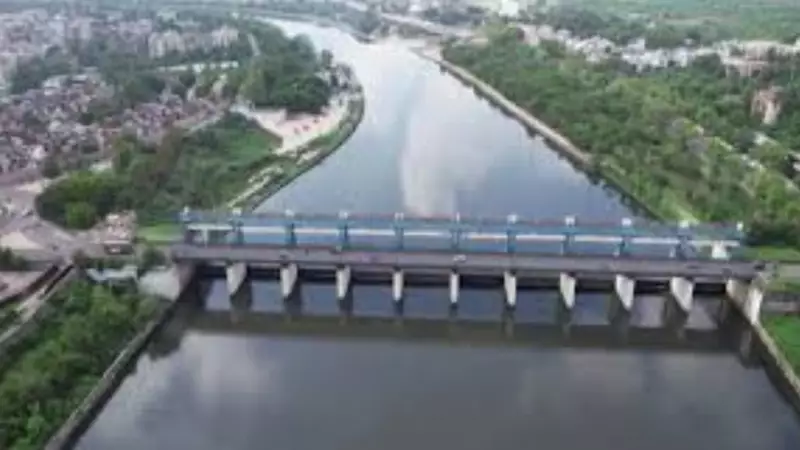
In a significant push for river conservation, the National Mission for Clean Ganga (NMCG) has approved a series of diverse projects aimed at ecological restoration, cultural revival, and biodiversity protection across key river systems.
Reviving the Sacred Source of Gomti
The executive committee of the NMCG, chaired by its Director General Rajeev Kumar Mittal, has given the green light to a comprehensive master plan for the Gomti river's origin site at Pilibhit in Uttar Pradesh. The project seeks to restore the cultural and natural sanctity of this important location.
The ambitious plan encompasses a multi-faceted approach. It includes modern infrastructure development, treatment of the catchment area, and rejuvenation of water sources. A key component is the nature-based treatment of sewage from Madhotanda town to prevent pollution at the source.

Beyond ecological measures, the project will enhance the site's spiritual significance. The Union Jal Shakti ministry stated that facilities like ghats, aarti platforms, a crematorium, a 'panchvatika', and a yoga mandap will be developed. The plan also involves rejuvenating local lakes and conserving turtle habitats, creating a holistic model of cultural and environmental preservation.
Protecting Endangered Avian Biodiversity
In a first-of-its-kind initiative focusing on riverine birds, the NMCG has approved a project dedicated to protecting the breeding habitats of sandbar-nesting birds, including the vulnerable Indian skimmer. This project aims to complement the mission's existing work on aquatic species like dolphins, turtles, and muggers.
The strategy will rely on long-term monitoring, evidence-based conservation, and active community participation. Nest monitoring, already ongoing in the Chambal and lower Ganga regions, will be expanded to new areas including Bijnor, Narora, and Prayagraj.
Trained local communities will be deployed to guard sensitive sandbars, minimize human disturbance, and support awareness campaigns. This grassroots involvement is considered crucial for the sustainable protection of these critical bird habitats.
Nature's Solution for Delhi's Yamuna Drains
Addressing pollution in the national capital, the NMCG has sanctioned the use of nature-based solutions for the in-situ treatment of drains flowing into the Yamuna. This initiative will target specific drains in Delhi, including those at Shastri Park, Gaushala, Kailash Nagar, and Ramesh Nagar.
The core idea is to treat raw sewage on-site before it enters the river. The method will utilize natural systems such as rock filters, stone masonry, and specially selected aquatic plants to clean the water through ecological processes. This approach offers a sustainable and potentially cost-effective alternative or supplement to conventional sewage treatment plants.
These approvals, granted during a meeting held last week, underscore the NMCG's expanding focus. The mission is moving beyond the main stem of the Ganga to include its tributaries like the Gomti, while also integrating critical biodiversity conservation and innovative treatment technologies into its overarching river rejuvenation efforts.