Study Uncovers Critical Gap in SO2 Emission Standards for Steel Plants
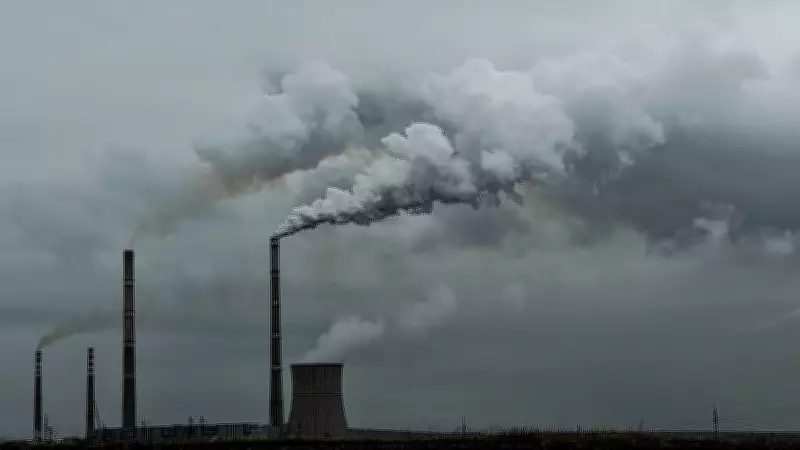
A recent investigation has brought to light a significant regulatory shortfall in India's steel industry, specifically concerning sulfur dioxide (SO2) pollution. The study, conducted by researchers Anubha Aggarwal and Kaiyu Chen from the Centre for Research on Energy and Clean Air (CREA), focused on the poorly monitored stack emissions from the Steel Authority of India Limited's (SAIL) Bokaro Steel Limited plant located in Jharkhand.
In-Depth Analysis of Bokaro Steel Plant Emissions
The research meticulously examined the operational practices and emission outputs at the Bokaro facility, one of India's major steel production hubs. Findings indicate that there are currently no established national standards or stringent monitoring protocols in place to regulate SO2 emissions from such industrial plants. This oversight poses a severe threat to air quality and public health in the surrounding regions.
Key insights from the study reveal:

- Unregulated SO2 Releases: The plant's stack emissions are not subject to specific SO2 limits, leading to uncontrolled discharges into the atmosphere.
- Environmental and Health Risks: SO2 is a harmful pollutant linked to respiratory issues, acid rain, and ecosystem damage, making its unchecked emission a critical concern.
- Regulatory Deficiencies: The absence of standardized guidelines highlights gaps in India's environmental governance, particularly for heavy industries like steel manufacturing.
Broader Implications for India's Industrial Sector
This study underscores a pressing need for updated pollution control measures across the steel sector. As India continues to expand its industrial base, ensuring sustainable practices is paramount to mitigating environmental degradation. The researchers advocate for the implementation of robust emission standards and enhanced monitoring systems to safeguard air quality and align with global environmental norms.
The findings call for immediate action from regulatory bodies and industry stakeholders to address these regulatory lapses and promote cleaner production techniques in the steel industry.