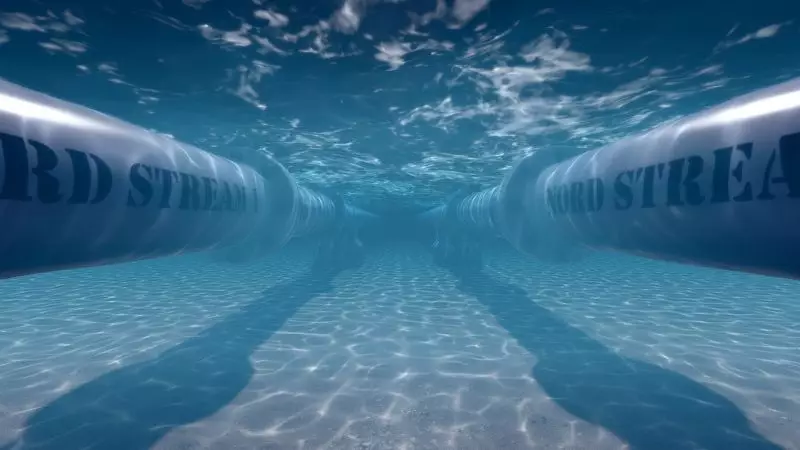
Nord Stream Pipeline Blasts: Sabotage in the Baltic Still Echoes
The explosions that rocked the Nord Stream pipelines in the Baltic Sea last year continue to send shockwaves across the globe. Investigators have confirmed sabotage as the cause of these blasts. This incident has not only disrupted energy supplies but also intensified geopolitical rivalries in the region.
Details of the Incident
Authorities discovered multiple explosions along the Nord Stream 1 and Nord Stream 2 pipelines. These pipelines carry natural gas from Russia to Europe. The blasts occurred in international waters, making the investigation complex and sensitive.
Forensic teams found evidence of deliberate tampering with the pipeline infrastructure. They identified traces of explosives at the blast sites. This points clearly to a planned act of sabotage rather than an accident.

Geopolitical Implications
The Nord Stream pipeline blasts have exacerbated tensions between Russia and Western nations. Many countries view this event as a strategic attack on Europe's energy security. It has led to increased military patrols in the Baltic Sea area.
Governments are now reassessing their critical infrastructure protection measures. They fear similar attacks could target other vital energy or communication networks. This incident serves as a stark reminder of the vulnerabilities in global supply chains.
Ongoing Investigations and Responses
Multiple international agencies are collaborating on the investigation. They aim to identify the perpetrators and their motives. So far, no group has claimed responsibility for the attacks.
In response, European nations have bolstered their maritime security protocols. They are investing in advanced surveillance technologies to monitor underwater infrastructure. These steps aim to prevent future sabotage attempts.
Impact on Energy Markets
The sabotage caused a temporary spike in natural gas prices across Europe. It highlighted the continent's dependence on Russian energy exports. Countries are now accelerating efforts to diversify their energy sources.
Renewable energy projects have gained momentum as a result. Governments are also exploring liquefied natural gas imports from other regions. This shift could reshape global energy trade patterns in the long term.
Conclusion
The Nord Stream pipeline explosions remain a pivotal event in recent history. They underscore the fragility of international energy networks. The echoes of this sabotage will likely influence geopolitical strategies for years to come.
As investigations proceed, the world watches closely. The outcome could have far-reaching consequences for international relations and security policies.