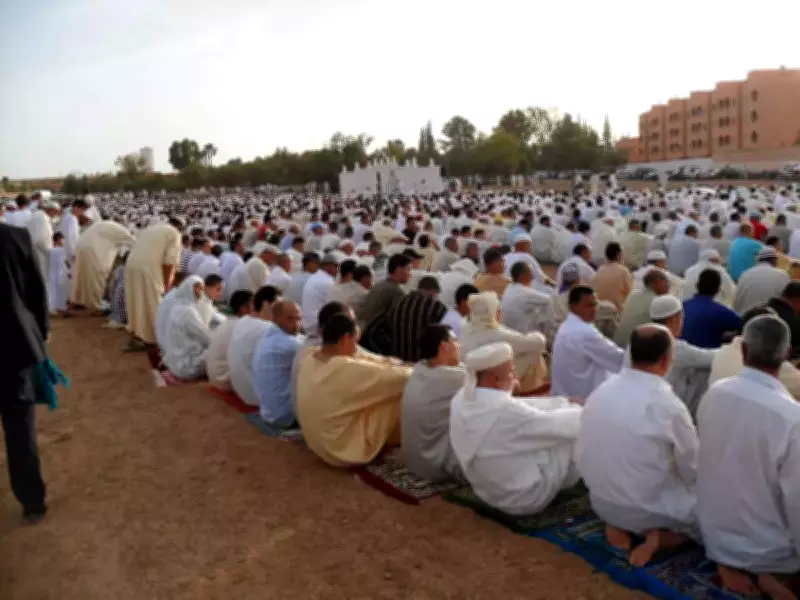
Oman Anticipates Extended Five-Day Eid Al Fitr Holiday in March 2026
As Ramadan 2026 unfolds across the Gulf region, focus is shifting toward the anticipated dates for Eid Al Fitr, the festive celebration marking the end of the holy month. In Oman, preliminary astronomical calculations are pointing to a high probability that residents could be granted a generous five-day public holiday in March. However, in accordance with Islamic tradition, the final confirmation remains contingent upon the official sighting of the crescent moon.
Understanding Eid Al Fitr and Its Lunar Dependence
Eid Al Fitr signifies the commencement of Shawwal, the tenth month in the Islamic Hijri calendar. Since this calendar is based on lunar cycles, the precise date of Eid varies annually and can only be definitively established after religious authorities verify the visibility of the Shawwal crescent moon. This process underscores the blend of faith and astronomy in determining Islamic holidays.
Astronomical Projections for Oman's Eid in 2026
Omani astronomers have forecasted that the Shawwal crescent is likely to be observable on the evening of March 19, 2026. Should this sighting be officially confirmed, the first day of Eid Al Fitr in Oman would fall on Friday, March 20, 2026. Conversely, if the crescent moon is not spotted on March 19, Ramadan will complete its full 30 days, leading to Eid beginning on Saturday, March 21 instead. Official announcements from Omani authorities are expected after Maghrib prayers on the 29th day of Ramadan, providing last-minute clarity for celebrants.

Potential Five-Day Holiday Structure in Oman
Based on the projected dates and Oman's customary holiday framework, residents could benefit from a five-day break. If Eid is confirmed for Friday, March 20, the holiday period is anticipated to span from Thursday, March 19 through Monday, March 23. This extended duration includes an additional Monday holiday to compensate for Eid coinciding with the weekend, offering one of the region's lengthier Eid breaks in 2026. Such an arrangement would afford families ample time for travel, social gatherings, and festive activities, enhancing the celebratory spirit.
UAE's Pre-Planned Four-Day Eid Holiday
In the United Arab Emirates, authorities have proactively scheduled the Eid Al Fitr 2026 holiday. For the public sector, the break is set from March 19 to March 22, with work resuming on March 23. Private sector employees will receive holidays from March 19 to March 21, with a potential extension to March 22 if Ramadan concludes after 30 days. This structured approach ensures at least a four-day respite for many residents, regardless of lunar variations, demonstrating efficient planning in alignment with Islamic practices.
Ramadan's Influence on Eid Timing
Ramadan 2026 commenced on February 19 in several Gulf nations following moon sighting confirmations. The duration of Ramadan, which can be either 29 or 30 days, directly impacts when Eid begins. The critical element is the visibility of the Shawwal crescent; while astronomical data can indicate high probabilities, religious authorities must formally verify the sighting before declaring Eid. This protocol explains why residents typically receive confirmation just one day prior to the holiday's start, adding an element of anticipation to the festivities.
Regional Outlook and Final Confirmations
For Oman, robust astronomical indicators suggest Friday, March 20, 2026, as the likely date for Eid Al Fitr, potentially yielding a five-day holiday. Meanwhile, UAE residents can rely on a pre-arranged four-day national break, with minor adjustments based on moon visibility. Across the Gulf, final confirmations will hinge on official announcements closer to the date, emphasizing the importance of traditional moon sighting in Islamic culture. As communities prepare for celebrations, these projections offer a glimpse into the festive period ahead, blending modern astronomy with age-old religious observances.