

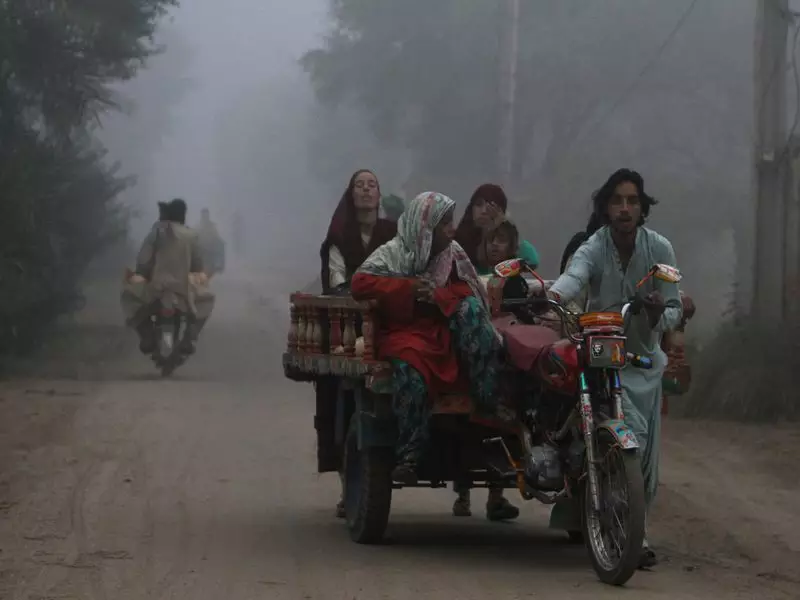
Pakistan stands at the brink of simultaneous climate and economic collapse, according to alarming new assessments from international financial institutions. The country faces a perfect storm of environmental disasters and financial instability that threatens to overwhelm its capacity to respond.
International Institutions Sound the Alarm
Multiple global financial bodies have issued stark warnings about Pakistan's deteriorating situation. The International Monetary Fund (IMF) has explicitly cautioned that Pakistan could face an "unmanageable" situation unless immediate corrective measures are implemented. Similarly, the World Bank has highlighted the country's extreme vulnerability to climate change impacts, noting that current response mechanisms are dangerously inadequate.
The World Bank's recent report delivered particularly sobering findings, indicating that Pakistan ranks among the most climate-vulnerable nations globally. This assessment comes barely a year after the devastating 2022 floods that submerged one-third of the country, affected 33 million people, and caused economic losses exceeding $30 billion.

The Dual Crisis: Climate and Economy Collide
Pakistan's climate vulnerabilities are exacerbating its already precarious economic position. The country continues to grapple with the aftermath of the catastrophic floods while simultaneously facing severe financial constraints that limit its ability to implement recovery measures.
Economic indicators paint a grim picture, with inflation soaring to nearly 30% and foreign exchange reserves dwindling to critically low levels. The combination of climate-induced disasters and economic instability creates a vicious cycle where each crisis amplifies the other, making comprehensive solutions increasingly difficult to implement.
Environmental experts note that climate change impacts are no longer future threats but present realities for Pakistan. Rising temperatures, erratic monsoon patterns, and increased frequency of extreme weather events have become the new normal, placing unprecedented strain on the country's infrastructure and resources.
Regional Implications and Global Response
The crisis in Pakistan carries significant implications for regional stability and global climate efforts. As the fifth most populous country with strategic importance in South Asia, Pakistan's instability could have ripple effects across the region.
International financial institutions have emphasized that global support and coordinated action are essential to prevent a complete breakdown. However, they also stress that Pakistan must implement substantial domestic reforms, particularly in governance and resource management, to effectively utilize any international assistance.
The situation highlights the broader challenge facing developing nations that contribute minimally to global emissions yet bear disproportionate impacts of climate change. This imbalance has become a central point in international climate negotiations, with affected countries demanding greater support from industrialized nations.
As Pakistan navigates this complex crisis, the coming months will be critical in determining whether the country can implement the necessary reforms and secure sufficient international support to avert the worst-case scenario that financial institutions now warn is increasingly likely.






