

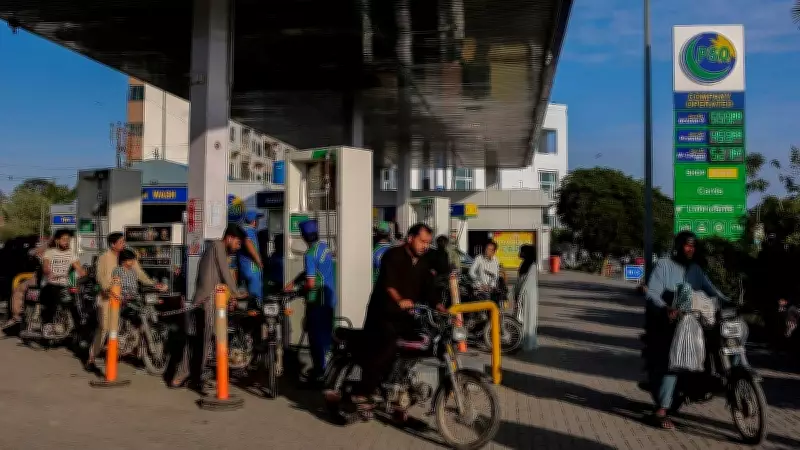
Pakistan Government Announces Major Petrol Price Reduction Following Public Outcry
In a swift policy reversal, the government of Pakistan has slashed the price of petrol by a substantial PKR 80 per litre. This dramatic reduction comes just one day after a significant price hike triggered widespread public anger and severe backlash across the nation. The move is seen as an attempt to placate citizens who were struggling with the sudden increase in fuel costs.
Global Factors Behind the Initial Price Surge
The earlier sharp hike in petrol prices was largely driven by international market pressures. Pakistan has been severely impacted by disruptions in global petroleum supplies, which have escalated due to rising crude oil prices. Key contributing factors include the strategic closure of the Strait of Hormuz, a critical maritime chokepoint for oil shipments, and ongoing conflicts in West Asia. These events have created a volatile environment for fuel imports, forcing many countries, including Pakistan, to adjust domestic prices accordingly.
Immediate Reversal Amidst Economic Strain
The decision to cut prices by PKR 80 per litre underscores the government's responsiveness to public sentiment amid economic challenges. Fuel prices are a sensitive issue in Pakistan, directly affecting transportation costs, inflation, and daily living expenses for millions. The initial hike had led to protests and criticism from various sectors, prompting authorities to reconsider their stance. This adjustment aims to provide relief to consumers while navigating the complex dynamics of global oil markets.

Economic Implications and Future Outlook
This price reduction may offer temporary respite, but experts warn that Pakistan's fuel market remains vulnerable to external shocks. The country relies heavily on imported petroleum, making it susceptible to fluctuations in global prices and geopolitical tensions. Moving forward, the government faces the dual challenge of balancing fiscal needs with public welfare, especially as uncertainties persist in regions like West Asia. Monitoring these developments will be crucial for maintaining stability in Pakistan's energy sector.






