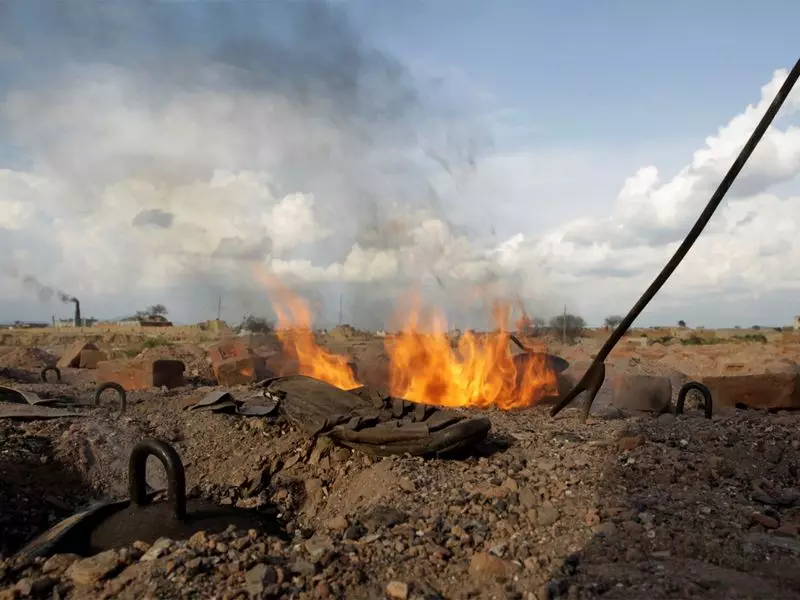
In a glaring example of regulatory failure, authorities in Rawalpindi, Pakistan, have been unable to curb the severe air pollution caused by dozens of brick kilns operating in blatant violation of environmental laws and court orders. The situation has created a persistent public health hazard, with residents and activists demanding immediate action.
Court Orders Ignored, Pollution Continues Unabated
The issue came to a head following directives from the Supreme Court of Pakistan, which had mandated kiln owners to adopt modern, cleaner technology. The court specifically ordered the installation of Induced Draft (ID) fans and zigzag technology to reduce harmful emissions. Despite these clear instructions and a deadline that has long passed, a significant number of kilns in the Rawalpindi district continue to operate using the old, highly polluting Fixed Chimney Bull's Trench Kiln (FCBTK) method.
Local environmental officials confirm the scale of non-compliance. Out of approximately 450 brick kilns in the district, around 150 have failed to switch to the mandated zigzag technology. This stubborn resistance transforms these sites into major point sources of thick, toxic smoke, contributing heavily to the smog that blankets the region, particularly in winter.

Health Impacts and Public Fury
The consequences for public health are dire and visible. Communities living near these non-compliant kilns report a sharp increase in respiratory illnesses, eye infections, and other health problems. The smoke contains particulate matter (PM2.5 and PM10), carbon monoxide, and sulfur dioxide, which are known to aggravate asthma, cause lung damage, and lead to cardiovascular issues.
Public frustration is boiling over. Citizens and environmental groups have repeatedly lodged complaints with the Punjab Environmental Protection Agency (EPA) and the district administration, but to little avail. The perceived inaction has led to accusations of collusion between some kiln owners and local officials, allowing the illegal operations to continue despite the environmental cost.
Administrative Inaction and Legal Loopholes
When questioned, officials from the Punjab EPA point to legal and administrative hurdles. They state that while they can issue notices and impose fines, the ultimate power to seal or completely shut down a non-compliant kiln rests with the deputy commissioner of the district. This fragmentation of authority has resulted in a paralysis of enforcement, where one agency blames the other while the pollution continues.
Furthermore, kiln owners often exploit the judicial process. When faced with punitive action, they obtain stay orders from lower courts, effectively tying the hands of the environmental authorities for months or even years. This legal maneuvering has created a cycle of impunity, where court orders from the highest level are undermined by delays at the local level.
The failure to control brick kiln pollution is part of a larger environmental governance crisis in the region. It highlights a critical gap between policy directives on paper and their implementation on the ground. For the residents of Rawalpindi, the promise of cleaner air remains elusive as they wait for authorities to move from issuing notices to taking decisive, uncompromising action against the polluters in their midst.