

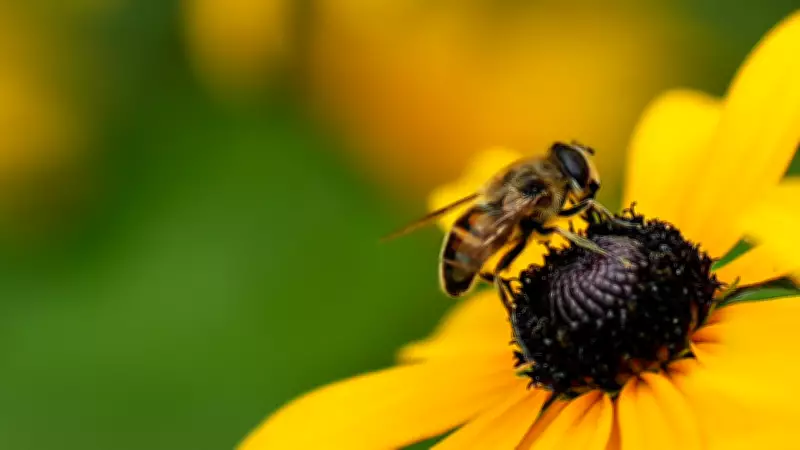
Peru Makes History: Grants Legal Rights to Stingless Bees, a Global First
In a groundbreaking move that redefines humanity's relationship with the natural world, Peru has become the first nation on Earth to establish legal status for an insect. This unprecedented step grants indigenous stingless bees in the Amazon region the right to "exist, prosper, and be represented in court," as per newly enacted local regulations. This initiative signals a profound shift in how modern society perceives and interacts with nature, especially amid escalating climate challenges.
Legal Rights of Insects: What Peru’s Law Actually Says
According to the Eco Jurisprudence Monitor, towns such as Satipo and Nauta in Peru have officially recognized stingless bees as legal subjects, moving them beyond mere property status. The laws provide these bees with fundamental rights to exist and flourish, ensuring they have access to an environmentally sustainable habitat free from pollution. Crucially, the legislation empowers individuals or organizations to file lawsuits on behalf of these bees if their habitats are threatened.
This means legal proceedings can now be initiated in the interest of insects, a concept previously reserved for humans or corporations. Legal scholars describe this development as part of the broader "Rights of Nature" trend, which seeks to extend legal protections to non-human entities.

Why Stingless Bees Matter for Ecosystems and Humans
The focus on stingless bees is far from arbitrary. These insects play a vital role in maintaining biodiversity, particularly in tropical ecosystems like the Amazon. Scientists estimate they are responsible for pollinating nearly 80% of all plant species in such environments, including essential crops like cocoa beans, coffee, and avocado.
Peru is home to at least 175 identified species of stingless bees, making it one of the most biodiverse regions for these pollinators. Beyond agriculture, stingless bees hold significant cultural and medicinal value for indigenous communities. Research has revealed that their honey contains "hundreds of bioactive molecules" with antibacterial properties.
Constanza Prieto from the Earth Law Center commented, "Stingless bees represent a milestone in humanity’s relations with nature, making visible these creatures as rights-bearing subjects."
A Turning Point in Environmental Law and Animal Rights
Historically, animal rights, where recognized, have often failed to move beyond viewing animals as property. Peru's initiative breaks new ground by granting legal status to insects, an unprecedented action globally. While countries like Ecuador and New Zealand have previously granted rights to rivers and ecosystems, extending such protections to insects marks a significant advancement.
This move not only solidifies the practice of granting legal rights to nature but also sets a precedent for similar actions worldwide. The idea that insects can "sue" may seem unusual, but it symbolizes a step away from human domination toward a more harmonious coexistence with the natural world.






