Pope Leo XIV Issues Strong Condemnation of War During Palm Sunday Mass
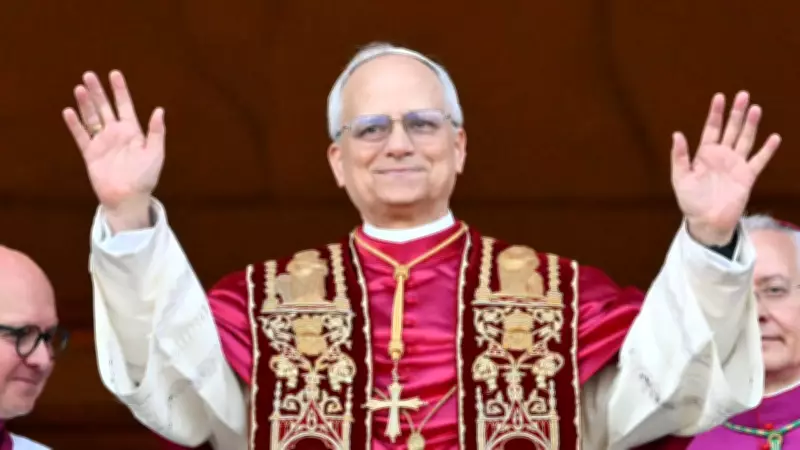
In a profound and timely address marking the beginning of Holy Week, Pope Leo XIV delivered a powerful message of peace during the Palm Sunday Mass at the Vatican. Speaking to thousands of worshippers gathered in St. Peter's Square, the pontiff made a striking declaration that has resonated across global religious and political circles.
God Rejects Prayers of Those with Bloody Hands
The Pope's homily contained a direct theological challenge to those who engage in warfare while maintaining religious devotion. "God rejects the prayers of those who have hands full of blood," Pope Leo XIV stated unequivocally. He emphasized that violence can never be justified by faith and described Jesus Christ as the ultimate "King of Peace."
This theological position represents a significant development in the Church's teaching on the relationship between faith and conflict. The Pope explained that true belief must manifest in actions, particularly when those actions affect innocent civilians caught in war zones.

Global Context of Ongoing Conflicts
The timing of this message carries particular weight given current global tensions. While not naming specific nations, the Pope expressed special concern for communities suffering from war and conflict in the Middle East and other regions. He noted that many Christians worldwide are unable to observe Holy Week normally due to violence in their homelands.
This comes amid ongoing international conflicts that have dominated global headlines, including tensions in the Middle East involving Israel, Iran, and other regional actors. The Pope's message serves as both spiritual guidance and political commentary during this volatile period.
Theological Foundations of the Peace Message
Pope Leo XIV grounded his message in the biblical narrative of Palm Sunday, which commemorates Jesus Christ's triumphant entry into Jerusalem when crowds welcomed him with palm branches. The pontiff contrasted this peaceful reception with the violence that would follow during Holy Week.
"Leaders who cause bloodshed cannot expect their prayers to be heard," the Pope declared, establishing a clear moral framework for evaluating political and military actions. He stressed that prayer becomes meaningless when combined with harmful actions against fellow human beings.
Practical Implications for Believers
The Pope outlined several practical implications of his theological position:
- Faith and war cannot coexist in authentic Christian practice
- Believers have a responsibility to actively choose peace over violence
- Support for those affected by conflict is an essential expression of faith
- Dialogue and peaceful solutions must be prioritized over military action
This represents a continuation of the Pope's previous calls for ceasefires and his urging of world leaders to prioritize humanitarian needs over political and military objectives.
Historical Significance and Liturgical Context
Palm Sunday marks the beginning of the most sacred week in the Christian calendar. The celebration initiates a spiritual journey that includes:
- Good Friday, commemorating the crucifixion of Jesus
- Holy Saturday, a day of reflection and anticipation
- Easter Sunday, celebrating the resurrection of Christ
This year's Palm Sunday message takes on particular significance as it reinforces the Church's longstanding position that religion should promote peace rather than justify violence. The Pope's remarks serve as a reminder that spiritual observances must translate into concrete actions that benefit humanity.
Broader Impact and Future Implications
The Pope's message arrives during a period of heightened global tensions and multiple ongoing conflicts. By linking theological principles with contemporary political realities, Pope Leo XIV has positioned the Church as a moral voice in international affairs.
This address may influence how religious communities worldwide approach questions of war and peace, potentially shaping both individual conscience and collective action. The emphasis on the incompatibility of faith and violence represents a clear challenge to any attempts to use religion to justify armed conflict.

As Holy Week progresses, the Pope's words will likely continue to resonate, offering both spiritual guidance and moral clarity during turbulent times. The message underscores the Vatican's commitment to promoting peace through both theological teaching and practical engagement with global conflicts.