

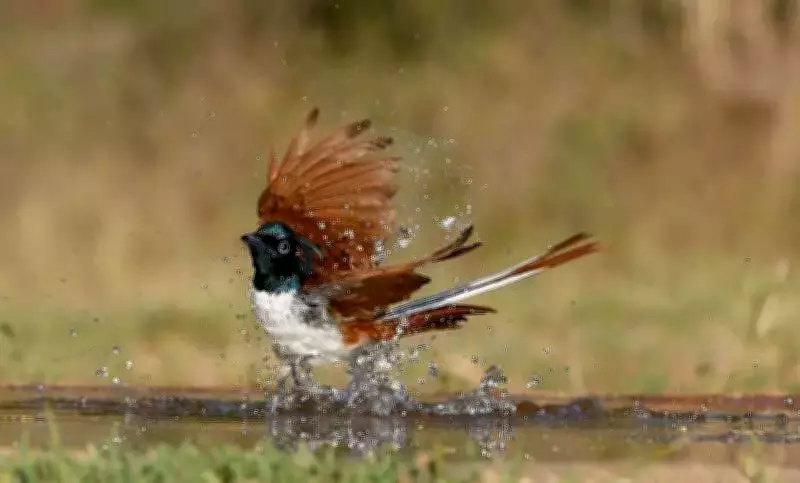
Pune Forest Water Crisis: Dried Waterholes Push Wildlife Toward Human Conflict
Environmentalists and wildlife activists in Pune have raised urgent alarms about the alleged neglect of waterholes in the Junnar forest division. They warn that failure to replenish these critical water sources is forcing wild animals to travel longer distances for water, significantly increasing the risk of human-wildlife conflict as summer intensifies across Maharashtra.
Seasonal Crisis with Inadequate Response
Several natural and artificial waterholes in forest areas under the Junnar division have reportedly dried up completely. Activists state that despite repeated warnings and formal representations, the forest department has not undertaken adequate measures to refill or maintain these vital water sources.
"It is a predictable seasonal crisis, yet the response remains inadequate," said environmentalist Ramesh Gaikwad. "Every year, water scarcity builds up in our forests, but timely action is consistently missing. The result is that animals are being pushed out of their natural habitats."

Ecological Impact and Wildlife Displacement
The Junnar forest division encompasses ecologically sensitive zones and important wildlife corridors. This area is home to diverse species including leopards, deer, wild boars, and numerous smaller mammals and birds.
Experts explain that the drying up of waterholes disrupts natural animal movement patterns, pushing wildlife toward agricultural fields and human settlements.
"Water availability inside forests is absolutely crucial to keep wildlife within natural ecosystems," said activist Sneha Kale. "Animals have no option but to move toward villages when waterholes dry up. This endangers human lives and puts animals at risk of injury, capture, or even death."
Forest Department's Response and Challenges
Assistant Conservator of Forest for the Junnar division, Smita Rajhans, acknowledged the situation, stating: "We have over 200 waterholes across the division spread over Junnar, Ambegaon, Shirur, and Khed tehsils. These have dried up and we are in the process of filling them by employing local tanker services."
However, activists allege a persistent gap between planning and execution. "There is a clear disconnect between allocated resources and on-ground implementation," said environmental campaigner Anil Pawar. "Simple interventions like deploying water tankers, repairing existing structures, and desilting can make a tremendous difference."
A senior forest official cited financial constraints as a significant hurdle: "This year, we have financial limitations and have not deployed tanker services so far." Other officials noted that while efforts are underway to address the issue, logistics and rising temperatures present substantial challenges.
Increased Human-Wildlife Encounters
Villagers living in areas bordering forests have reported a noticeable increase in wild animal sightings, particularly during early morning and late evening hours. Farmers express growing concerns about potential crop damage and possible attacks.
Conservationists emphasize that such encounters are largely preventable with improved forest management practices and proactive planning.
Calls for Immediate and Long-Term Solutions
Activists and farmers have jointly urged the forest department to take immediate corrective steps, including:
- Mapping critical dry zones within forest areas
- Ensuring regular water supply through tanker services
- Setting up solar-powered pumps where feasible
- Implementing watershed management programs
- Developing rainwater harvesting systems within forest boundaries
"This is not merely about wildlife conservation, but about maintaining essential ecological balance," Kale emphasized. "If we fail to act now, the consequences will be visible not just in our forests, but in surrounding villages and cities as well."
The situation highlights the critical intersection of environmental management, wildlife protection, and human safety as climate patterns intensify seasonal water scarcity across Maharashtra's forest regions.






