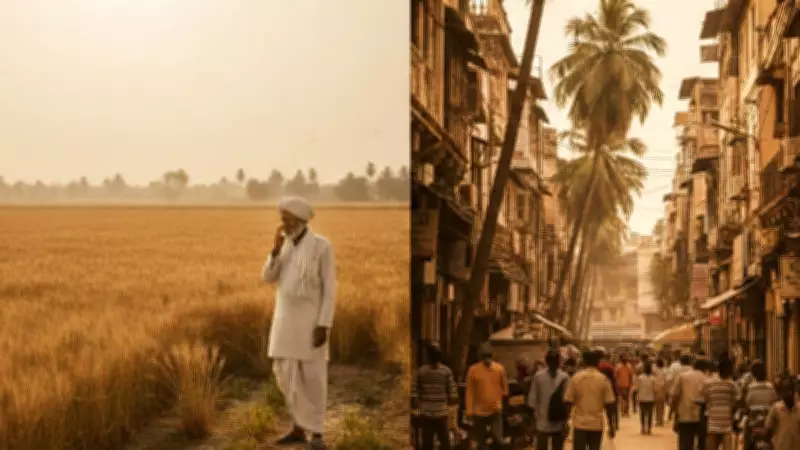
Pune Weather Alert: Temperatures Set to Climb, Impacting Agriculture
Pune is experiencing a significant warming trend, with daytime temperatures expected to soar to 34°C in the coming days, according to the India Meteorological Department (IMD). This shift marks a notable departure from typical mid-February conditions, where minimum temperatures have historically remained below 15°C over the past decade.
Rising Mercury Levels and Forecast Details
The maximum temperature in Pune has consistently stayed above 30°C recently, with forecasts predicting a rise to 33°C on Friday and 34°C by Sunday. Dr. Anupam Kashyapi, former Head of the Weather Forecasting Division and Crop Advisor at IMD, highlighted that both maximum and minimum temperatures are showing an upward trend this February.
"The morning temperature in Pune is expected to rise after February 15 and will, possibly, reach around 17-18°C by next Tuesday," Kashyapi stated. He further explained that this warming is likely to become more pronounced in the second half of the month, with isolated areas in Maharashtra potentially seeing maximum temperatures exceed 35°C by late February.

Historical Context and Recent Trends
IMD data from the last ten years indicates that mid-February minimum temperatures in Pune have mostly been below 15°C, while maximum temperatures typically remain under 35°C. Last year, a brief surge saw temperatures hit 36°C on February 12, though they dropped the following day. Current readings align with this decade-long pattern of gradual warming.
Agricultural Implications for Rabi Crops
The timing of this temperature increase is critical for agriculture, as it coincides with the winter Rabi crop season, including crops like wheat. Kashyapi emphasized the potential risks: "The rise in maximum and minimum temperatures matter for farmers at this time. If the maximum temperature is above 30°C, it is not good for the harvest of winter crops."
While current minimum temperatures of 13-14°C are not alarming, the anticipated rise after February 15 could pose problems for standing Rabi crops. This warming may stress plants during a crucial growth phase, potentially affecting yield and quality.
Broader Climate Considerations
This weather pattern underscores broader climate trends in the region, with increasing temperatures becoming more frequent. Farmers are advised to monitor forecasts closely and consider adaptive measures to protect their crops. The situation highlights the intersection of environmental changes and agricultural sustainability, a topic of growing importance in regions like Maharashtra.
As Pune navigates this warm spell, residents and agricultural stakeholders remain vigilant, balancing daily life with the challenges posed by shifting weather patterns.