Punjab's Industrial and Municipal Waste Polluting Rajasthan's Water Bodies: Lok Sabha Revelation
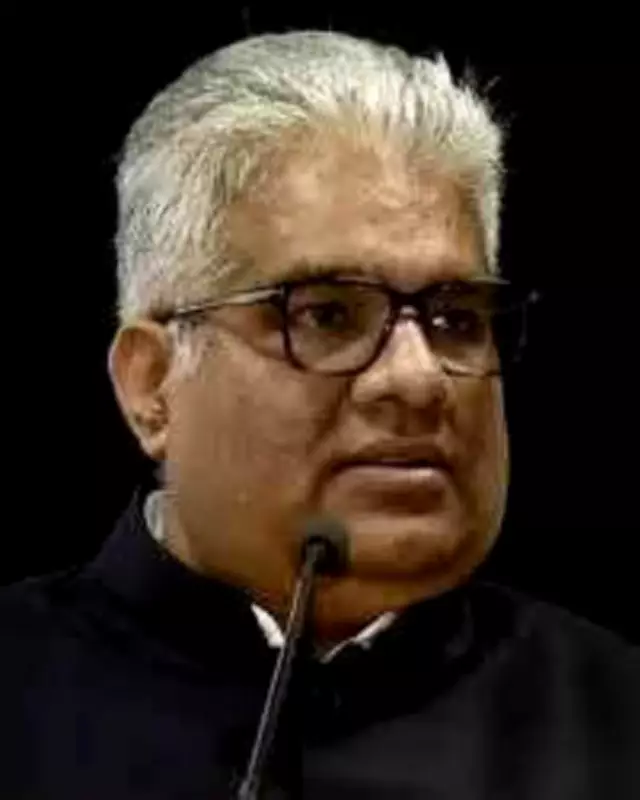
The longstanding issue of water pollution affecting two districts in Rajasthan has finally been addressed in the Lok Sabha, with the response pointing directly at industrial and municipal waste originating from neighboring Punjab. This matter, which has significant implications for public health and environmental sustainability, was brought to light through a detailed reply tabled by Union Minister for Environment, Forest and Climate Change, Bhupender Yadav.
Official Response Highlights Cross-Border Contamination
In response to a question raised in the Lok Sabha on Monday, the government acknowledged that illegal discharge of contaminated water by industrial units and municipal bodies in Punjab is flowing into the Satluj River and Buddha Nala. This polluted water eventually reaches the Sriganganagar and Hanumangarh districts of Rajasthan through interconnected canal systems. The Rajasthan State Pollution Control Board (RSPCB) has formally escalated this critical issue to both the Central Pollution Control Board (CPCB) and the Punjab Pollution Control Board (PPCB), urging stringent action against the defaulting upstream industrial units.
Regular Water Quality Monitoring Reveals Concerning Standards
The RSPCB conducts monthly water quality monitoring at strategic locations including Khakha Head on the Gang Canal in Sriganganagar district, and Masitawali Head and Jhandewala on the Indira Gandhi Nahar Pariyojana (IGNP) in Hanumangarh district. Both these districts share borders with Punjab, making them particularly vulnerable to cross-border pollution. The analytical data consistently shows that the water quality in these canals falls under Class 'B' and Class 'C' categories, as per the designated best use criteria established by the CPCB.

According to CPCB norms, Class 'B' water is deemed suitable for outdoor bathing, while Class 'C' water can serve as a drinking water source only after undergoing conventional treatment and disinfection processes. This classification underscores the urgent need for intervention to prevent further degradation of water quality, which directly impacts the health and well-being of local communities.
Air Quality Assessment and Parliamentary Query
While water pollution remains a primary concern, the Lok Sabha reply also addressed air quality in the affected districts. The Central Pollution Control Board identifies non-attainment cities based on exceedances of the National Ambient Air Quality Standards (NAAQS). Notably, Sri Ganganagar and Hanumangarh have not been classified as non-attainment cities. The average Air Quality Index (AQI) for Sri Ganganagar and Hanumangarh in 2025 stands at 152 and 125, respectively, placing both districts within the moderate category.
The question was posed by Sriganganagar Lok Sabha member Kuldeep Indora, who sought clarification on whether these districts rank among the world's 20 most polluted cities, thereby exposing residents to heightened risks of various diseases. He further inquired about any scientific studies conducted by the government to identify sources of air and water pollution, along with the major findings and steps taken to mitigate pollution levels, improve waste management systems, and implement comprehensive action plans under the Clean Water and Air Campaign.
Implications and Future Actions
This Lok Sabha reply highlights a critical inter-state environmental challenge that requires coordinated efforts between Punjab and Rajasthan. The contamination of water bodies not only threatens the health of thousands of residents but also poses long-term risks to agriculture and ecosystems in the region. The involvement of central authorities like the CPCB underscores the necessity for a unified approach to enforce pollution control measures and hold defaulting units accountable.
Moving forward, it is imperative that both state pollution control boards collaborate effectively to monitor and curb illegal discharges, while also exploring sustainable waste management solutions. Public awareness and community engagement will play a vital role in ensuring the success of these initiatives, ultimately safeguarding water resources for future generations.