

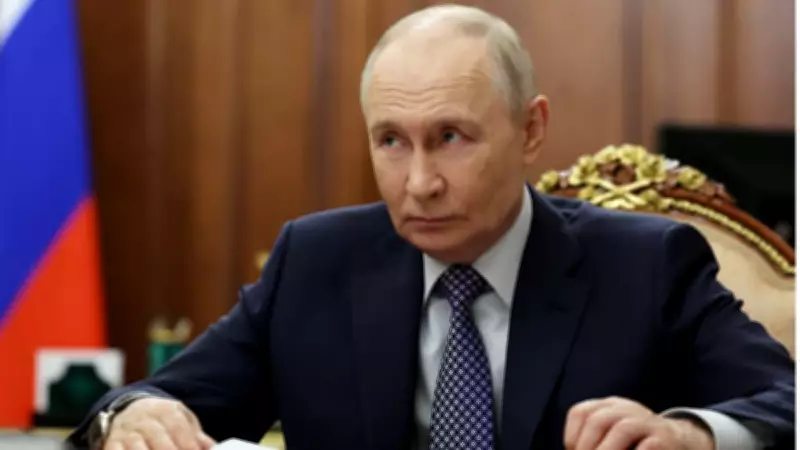
Putin Declares 32-Hour Ceasefire for Orthodox Easter in Russia-Ukraine War
In a significant development amid the protracted conflict, Russian President Vladimir Putin has announced a 32-hour ceasefire in the Russia-Ukraine war. This temporary halt in hostilities is specifically timed to coincide with the Orthodox Easter weekend, a period of deep religious significance for many in the region. The ceasefire is set to provide a brief respite from the ongoing violence that has gripped Eastern Europe for years.
Details of the Ceasefire Announcement
The ceasefire, as declared by Putin, will last for a total of 32 hours, offering a window of peace during the Orthodox Easter celebrations. This move is seen as a gesture acknowledging the religious observances of the Orthodox Christian community, which includes a substantial portion of the populations in both Russia and Ukraine. The announcement underscores the complex interplay between geopolitical strife and cultural traditions in this conflict.
Timing and Duration: The ceasefire is scheduled to begin on the eve of Orthodox Easter and extend through the holiday weekend, ensuring that the period of truce covers the most sacred days for Orthodox believers. This 32-hour pause is intended to allow for religious services and family gatherings without the immediate threat of military action.

Context and Implications
The Russia-Ukraine war, which has been ongoing since its escalation in 2022, has resulted in widespread devastation, loss of life, and humanitarian crises. Putin's announcement of a ceasefire for Orthodox Easter comes at a time when international calls for peace have intensified. However, it is important to note that this is a temporary measure and does not signify a broader resolution to the conflict.
Potential Impact: While the ceasefire may provide short-term relief, analysts caution that it could be a strategic pause rather than a step toward lasting peace. The war has involved numerous ceasefires in the past, many of which have been fragile or broken, highlighting the challenges in achieving a sustainable end to hostilities.
- Humanitarian Aspect: The ceasefire could facilitate the delivery of aid to affected areas, offering a crucial opportunity for humanitarian organizations to reach civilians in need.
- Diplomatic Reactions: International observers and governments are likely to monitor the ceasefire closely, assessing its adherence and any potential for broader negotiations.
- Regional Stability: This pause may temporarily reduce tensions in the region, but the underlying geopolitical disputes remain unresolved.
Broader Significance
The announcement by Putin reflects the enduring influence of religious and cultural factors in the Russia-Ukraine conflict. Orthodox Easter is a major holiday in both countries, and this ceasefire acknowledges its importance, potentially resonating with populations weary of war. However, the limited duration of 32 hours underscores the provisional nature of this peace gesture.
In summary, while the 32-hour ceasefire for Orthodox Easter offers a momentary break in the Russia-Ukraine war, it is a reminder of the ongoing strife and the need for comprehensive diplomatic solutions. The world watches as this temporary truce unfolds, hoping it might pave the way for more sustained efforts toward peace.






