Putin Puts European Nations 'On Notice' Over Energy Supplies Amid Iran Conflict
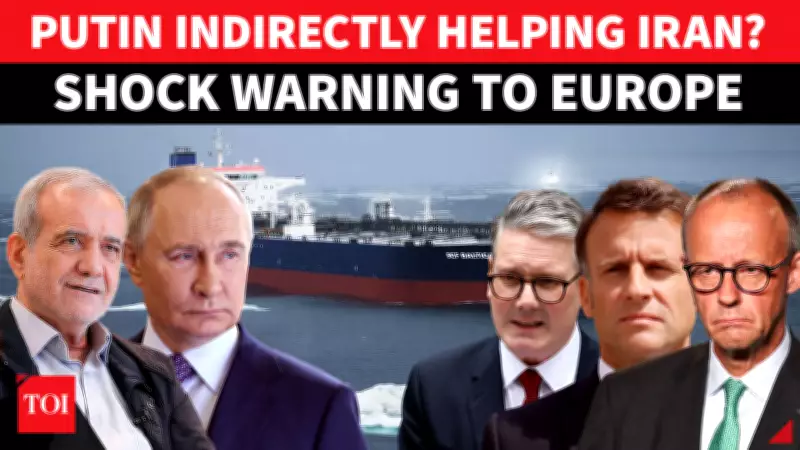
Russian President Vladimir Putin has delivered a stark warning to European nations, threatening to dramatically reshape the continent's energy landscape as tensions escalate in the ongoing Iran conflict. Speaking on state television, Putin suggested that Russia could completely halt gas supplies to European markets and redirect exports to more "promising" buyers if European sanctions against Russian energy take full effect later this year.
A 'Thinking Out Loud' Warning with Serious Implications
While Putin described his comments as "thinking out loud," analysts and energy experts are interpreting them as a serious signal of Russia's strategic intent. The timing of this warning is particularly significant, coming amid heightened global tensions surrounding the Iran war, which has already sparked concerns about energy security worldwide.
The Russian leader's statement represents a direct challenge to European energy policies that have sought to reduce dependence on Russian fossil fuels following previous geopolitical tensions. Putin's warning suggests that Russia is prepared to weaponize its energy exports in response to European sanctions, potentially creating an unprecedented energy crisis for nations already grappling with the economic fallout of the Iran conflict.

Europe's Energy Security at a Critical Juncture
The European Union has been working to implement comprehensive sanctions against Russian energy exports as part of broader geopolitical strategies. Putin's latest comments indicate that Russia is not only aware of these plans but is prepared to take preemptive action that could leave European nations scrambling for alternative energy sources.
This development comes at a particularly vulnerable moment for global energy markets, with the Iran conflict already causing volatility in oil prices and raising concerns about supply chain disruptions. The combination of these factors could create a perfect storm for European energy security, potentially leading to:
- Significant price increases for consumers and industries
- Forced rationing of energy resources during peak demand periods
- Increased competition for liquefied natural gas (LNG) supplies on global markets
- Potential economic slowdowns in energy-dependent European economies
Global Energy Markets Brace for Impact
Putin's warning has sent shockwaves through global energy markets, with analysts predicting several potential outcomes:
- Accelerated diversification efforts by European nations seeking alternative energy suppliers
- Increased investment in renewable energy infrastructure as a long-term security measure
- Heightened diplomatic tensions between Russia and European Union member states
- Potential realignment of global energy trade routes as Russia seeks new markets
The Russian president specifically mentioned redirecting exports to more "promising" buyers, suggesting that Asian markets, particularly China and India, could become primary destinations for Russian energy exports that would otherwise flow to Europe. This shift could fundamentally alter global energy dynamics and trade relationships.
Broader Geopolitical Context of the Iran Conflict
Putin's energy warning must be understood within the broader context of the escalating Iran conflict, which has already seen:
- Multiple missile attacks on U.S. military assets and diplomatic facilities
- Direct involvement of proxy groups like Hezbollah in regional hostilities
- Significant economic losses for multiple nations involved in the conflict
- Growing concerns about the conflict spreading beyond current boundaries
The energy dimension adds another layer of complexity to an already volatile situation, with Europe potentially facing energy shortages precisely when global tensions are at their peak. This creates a challenging scenario for European policymakers who must balance energy security concerns with diplomatic and security considerations related to both the Iran conflict and relations with Russia.

As the situation continues to develop, European nations are likely to reassess their energy strategies and contingency plans. The coming months will be critical in determining whether Putin's warning represents genuine policy direction or strategic posturing, but either way, it has already succeeded in putting European energy security firmly in the spotlight during a period of unprecedented global uncertainty.