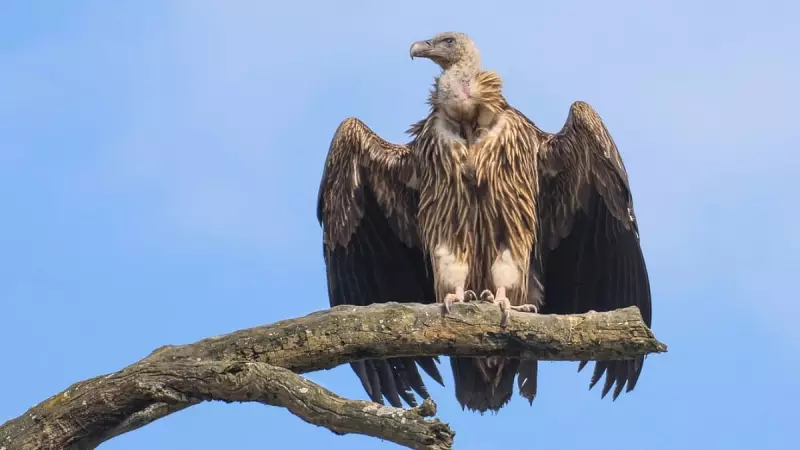
In a significant boost for wildlife conservation, cow shelters across Rajasthan are adopting practices that directly benefit the critically endangered vulture population. These gaushalas have taken two major steps: ceasing the use of certain veterinary drugs that are fatal to vultures and discontinuing the traditional practice of burying dead cattle.
A Silent Killer Removed from the Food Chain
For years, the widespread use of the anti-inflammatory drug diclofenac in treating cattle proved catastrophic for vultures in the Indian subcontinent. When vultures consumed the carcasses of cattle treated with this drug, they suffered from fatal kidney failure, leading to a population collapse of over 99% for some species. Most gaushalas in the desert state of Rajasthan have now officially stopped using such toxic veterinary drugs. This decisive action removes a primary poison from the vultures' food source, creating a safer environment for the scavengers.
From Burial to Open Sky: Ensuring Food Supply
The second crucial change involves the disposal of cattle that die of natural causes. Traditionally, many facilities buried the deceased animals. Now, these gaushalas have abandoned the practice of burying dead cattle. Instead, the carcasses are left in designated open areas, often within protected zones, where vultures can access them. This ensures a steady and reliable supply of safe food for the birds, which play a vital role as nature's cleanup crew by preventing the spread of disease.

A Model for Other States
The collective effort by Rajasthan's gaushalas showcases a powerful, community-driven model for conservation. It bridges animal welfare with wildlife protection, demonstrating how traditional institutions can adapt for ecological benefit. The initiative provides a practical blueprint that could be replicated by gaushalas and animal husbandry departments across India to support the ongoing recovery of vulture species. The report highlighting this positive development was published on 01 January 2026, by Mrityunjay Bose.
The success in Rajasthan offers a beacon of hope. By consciously creating a drug-free and accessible carcass disposal system, these cow shelters are directly contributing to the survival of India's vultures. This real-world solution proves that effective conservation often lies in modifying human practices to restore the natural balance.