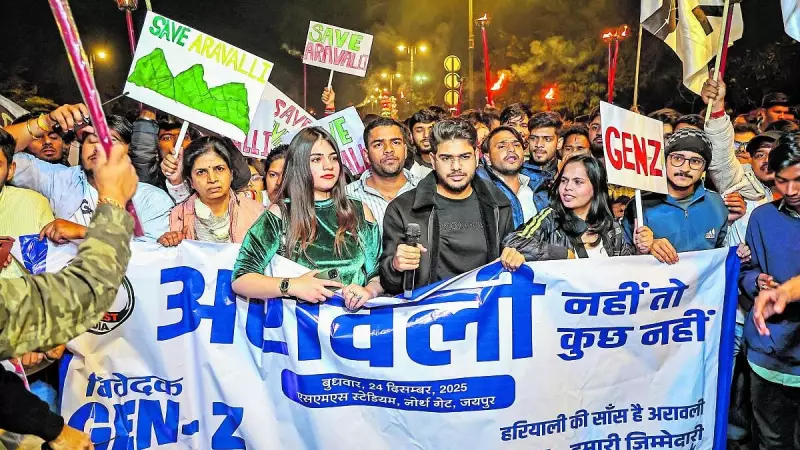
In a significant decision, the state of Rajasthan has officially rejected a controversial proposal to redefine the boundaries of the ancient Aravalli mountain range. This move comes after widespread opposition from environmental activists, local citizens, and a rare show of unity across political party lines.
A Victory for Environmental Conservation
The proposed redefinition had sparked fears that it would open up protected areas for commercial exploitation. The Aravallis, one of the world's oldest mountain ranges, are home to critical ecosystems. Large parts are currently protected as tiger reserves, national parks, eco-sensitive zones, and wetlands. Under existing regulations, mining and major developmental activities are strictly banned in these designated areas.
The state's rejection is seen as a major victory for conservation efforts. Environmentalists argued that changing the definition would have weakened legal protections, potentially endangering wildlife corridors, groundwater recharge zones, and the fragile ecology of the region that acts as a green barrier against desertification.

Broad-Based Opposition Forces Government's Hand
What made this decision particularly notable was the coalition of forces that opposed the move. Ordinary protestors, civil society groups, and major political parties found common ground in their demand to protect the Aravallis. This unprecedented unity created immense public pressure on the state administration, ultimately leading to the proposal being shelved.
The widespread concern was rooted in the potential irreversible damage. Activists highlighted that the range is not just a collection of hills but a vital natural resource. Its forests support biodiversity, its structure helps in water conservation, and it provides a livelihood for many local communities.
What Happens Next for the Aravallis?
With the redefinition proposal now rejected, the focus shifts to strengthening the existing protections. The decision, reported on 27 December 2025, reinforces the status quo. However, experts and citizen groups remain vigilant, calling for stricter enforcement of bans on mining and unsustainable development.
The event sets a powerful precedent for environmental governance in India. It demonstrates that when ecological threats are clear and present, public opinion can transcend political differences to safeguard natural heritage. The protection of the Aravalli's tiger reserves, national parks, and eco-sensitive zones remains a priority for Rajasthan's sustainable future.