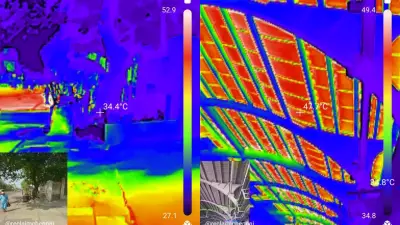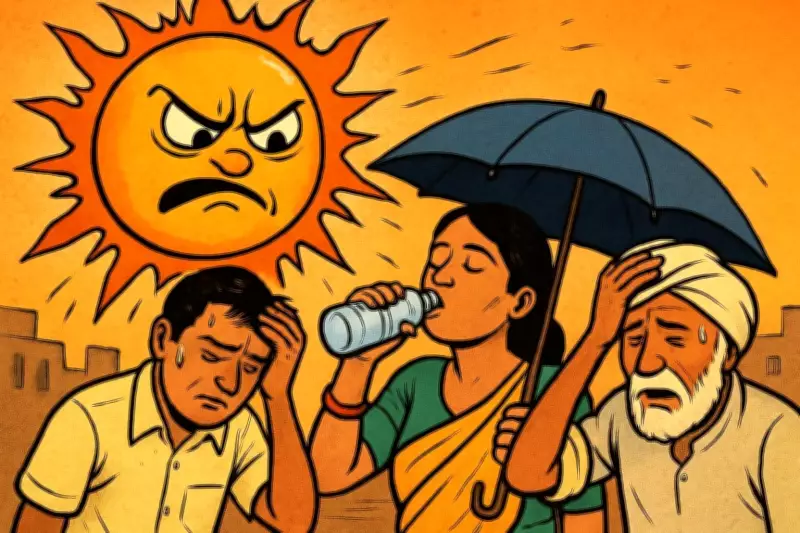
The Rajasthan education department, in collaboration with UNICEF, has created a 40-minute lesson plan focused on protection against heatwaves and extreme heat. This initiative targets government school students from classes 6 to 12, aiming to raise awareness about climate change and the dangers of extreme heat.
Why Children Are Vulnerable
A senior official explained that children are particularly susceptible to extreme heat because their bodies are less efficient at regulating temperature compared to adults. Additionally, they face direct exposure while commuting to and from school. Educating them about heatwave prevention measures and the science behind rising temperatures is crucial to keep them alert and informed.
Module Details
The module, titled 'Rajasthan Mein Bhishan Garmi' (extreme heat in Rajasthan), covers training and sensitization on heatwave impacts, protective measures, water conservation, and environmental protection. It includes practical themes such as water budgeting on school campuses and nearby areas, linking activities like measuring water use to mathematical concepts like volume.

Recognizing Heat-Related Illnesses
Students are being taught to identify signs of heat-related illnesses that occur when temperatures exceed 40°C. These include heat cramps (sudden painful muscle spasms due to salt and water loss), heat exhaustion (excessive sweating, weakness, cold skin, rapid pulse, dizziness, nausea), and heatstroke (no sweating, hot dry skin, temperature above 40°C, confusion, unconsciousness), which is a medical emergency.
Interactive Learning Activities
To introduce the module, teachers are asked to start conversations about how students feel at around 2 PM outside the classroom, whether anyone in their family has experienced dizziness, fatigue, or headaches from heat, and if it seems hotter this year than previous years and why. Additionally, to create a heat memory map, students are asked to close their eyes and imagine the hottest day they have ever experienced, focusing on how their body felt.
Fostering Curiosity
Teachers are encouraged to generate curiosity among students about why temperatures are rising significantly. An education department official noted that a pilot test of the module was conducted before schools closed for summer vacations, which was the peak heat period in the state. The module essentially helps children understand the concept of climate change, what a heatwave feels like, and how they can address it.