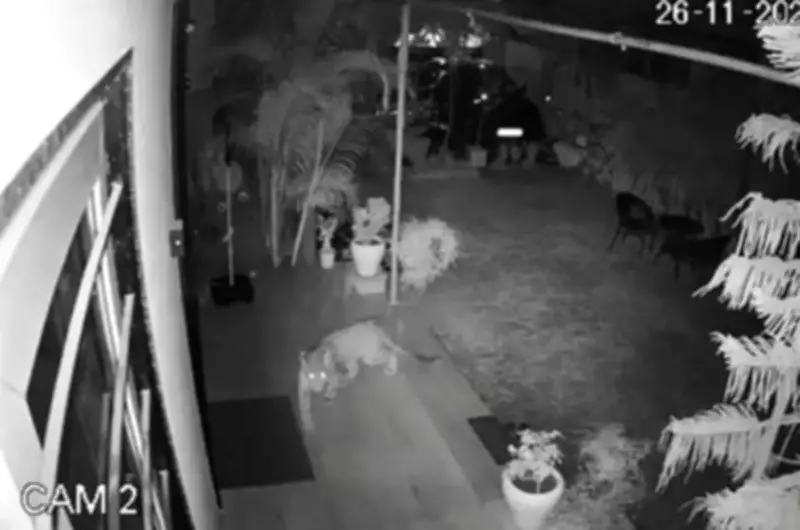
In a significant move to address wildlife conflicts, Rajasthan's Forest and Environment Minister Sanjay Sharma declared in the Assembly on Thursday that the state will implement an Emergency Predator Protocol, modeled after Maharashtra's successful framework. This announcement came during Question Hour in response to a query from Malviya Nagar MLA Kalicharan Saraf, highlighting growing concerns over leopard movements in urban areas.
Proactive Measures and Standard Operating Procedure
Minister Sharma emphasized that the state government is actively considering the introduction of a standard operating procedure for this protocol within the current financial year. This structured approach aims to streamline responses to predator incidents, ensuring swift and effective management to protect both wildlife and human populations.
Quick Response Teams and Deployment
As part of preventive strategies, two Quick Response Teams were established on December 2, 2024, and are maintained on a 24-hour alert status. These specialized teams have been strategically deployed in high-risk zones such as Malviya Nagar and Vidhyadhar Nagar in Jaipur, where previous leopard sightings have been reported. Their presence is crucial for immediate intervention in case of emergencies.

Expert Tracking and Training Initiatives
To enhance tracking capabilities, trained trackers from Ranthambore have been engaged, bringing their expertise to urban wildlife management. Additionally, six local residents from the Jhalana–Amagarh region underwent a comprehensive one-month training program to assist in monitoring and tracking activities, fostering community involvement in conservation efforts.
Habitat Improvement and Monitoring
Continuous surveillance is being conducted at key points where leopards are known to exit forested areas, enabling early detection and prevention of conflicts. In a bid to improve habitat conditions, an enclosure is being developed within the forest, with plans to introduce prey animals to support the natural ecosystem. Furthermore, six new water holes have been constructed to ensure adequate water availability for wildlife, promoting a healthier environment.
Enhanced Surveillance with Camera Traps
The installation of 20 new camera traps has significantly boosted monitoring efforts, bringing the total number of camera traps in the region to 60. This enhanced surveillance network aids in tracking leopard movements and gathering data for better management strategies.
Dedicated Helpline for Urban Wildlife Incidents
Minister Sharma revealed that the state government is planning to launch a dedicated helpline number, 1926, specifically for reporting wildlife movements in urban areas and seeking assistance. This initiative aims to improve public awareness and response coordination, addressing the seven incidents of leopard movement reported from residential colonies in Jaipur over the past year.
Overall, these measures underscore Rajasthan's commitment to balancing wildlife conservation with public safety, leveraging technology, training, and community engagement to mitigate predator-related risks effectively.