

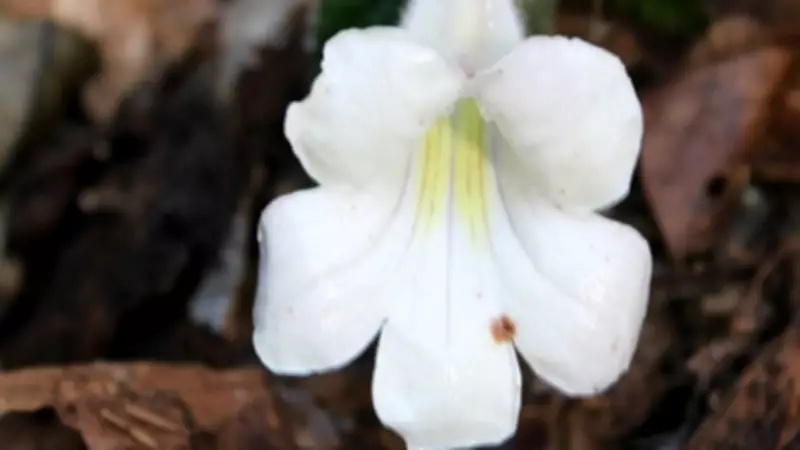
Rare Plant Species Rediscovered in Arunachal Pradesh After 189 Years
In a remarkable botanical breakthrough, a rare plant species has been rediscovered in the lush forests of Arunachal Pradesh, India, after a staggering gap of 189 years. This significant find underscores the rich and often unexplored biodiversity of the northeastern state, which is a hotspot for unique flora and fauna.
Details of the Rediscovery
The plant, identified as Aristolochia assamica, was last documented in 1835 by British botanist William Griffith during his expeditions in the region. Since then, it had remained elusive, with no confirmed sightings or records, leading many to speculate about its possible extinction. The recent rediscovery was made by a team of researchers from the Botanical Survey of India (BSI), who stumbled upon the species during a routine field survey in the dense, humid forests of Arunachal Pradesh.
The team, led by senior botanist Dr. Anjali Verma, collected specimens and conducted thorough morphological and genetic analyses to confirm its identity. The plant belongs to the Aristolochiaceae family, known for its distinctive pipe-shaped flowers and medicinal properties in traditional practices. Its rediscovery after nearly two centuries highlights the critical need for continued exploration and conservation efforts in India's remote ecological zones.

Significance for Biodiversity and Conservation
Arunachal Pradesh, often referred to as the "land of the rising sun," is one of India's most biodiverse regions, home to numerous endemic species. The rediscovery of Aristolochia assamica adds to this rich tapestry and provides valuable insights into the region's ecological history. This find is not just a botanical curiosity but a vital piece of the puzzle in understanding plant evolution and distribution in the Eastern Himalayas.
Conservationists emphasize that such discoveries are crucial for informing policy and protection measures. With habitat loss and climate change posing threats to biodiversity, documenting rare species helps prioritize areas for conservation. The BSI plans to conduct further studies to assess the population size and habitat requirements of Aristolochia assamica, aiming to develop strategies for its long-term survival.
Implications for Research and Traditional Knowledge
The rediscovery also opens new avenues for scientific research. Plants in the Aristolochia genus are known for their bioactive compounds, which have been used in traditional medicine for treating various ailments. Researchers hope that studying Aristolochia assamica could lead to discoveries in pharmacology, potentially contributing to modern healthcare solutions.
Moreover, this event underscores the importance of integrating traditional ecological knowledge with modern science. Local communities in Arunachal Pradesh have long relied on forest resources, and their insights can guide conservation efforts. The BSI team collaborated with indigenous experts during the survey, highlighting a collaborative approach to biodiversity management.
- The plant was last seen in 1835 by William Griffith.
- It was found during a BSI field survey in Arunachal Pradesh.
- Aristolochia assamica has medicinal properties used in traditional practices.
- The rediscovery aids in conservation planning for the region.
- Further studies will focus on population assessment and habitat protection.
In conclusion, the rediscovery of Aristolochia assamica after 189 years is a testament to the enduring mysteries of nature and the relentless pursuit of knowledge by scientists. It serves as a reminder of the untapped potential within India's forests and the urgent need to safeguard them for future generations. As research continues, this rare plant may yet reveal more secrets, contributing to both science and society.






