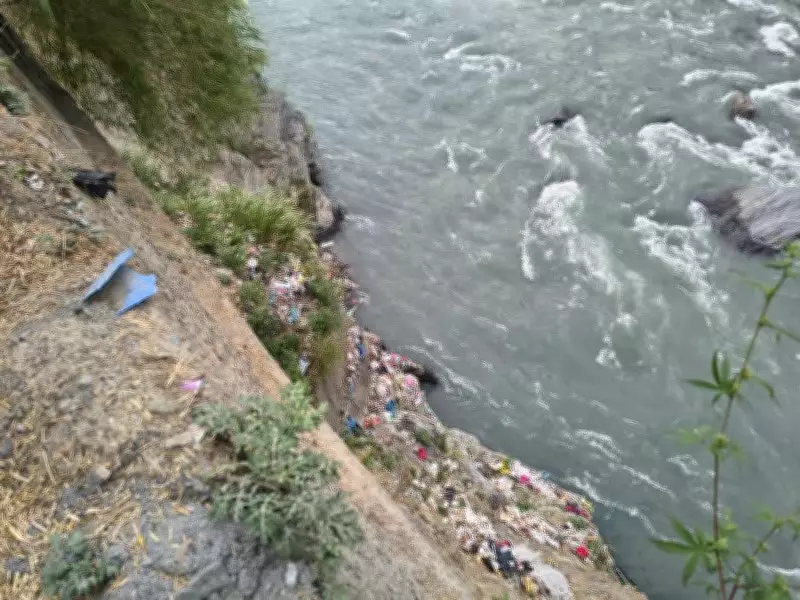
The Ravi River, which has sustained agriculture, livelihoods, and biodiversity in Chamba district for centuries, is now under severe ecological stress from hydropower expansion, pollution, tourism, and illegal mining. According to Dr. Mohinder Slariya, the river's natural balance is being disrupted, threatening the long-term environmental stability of the western Himalayas.
Hydropower Expansion Alters River Flow
Chamba district has become a major hydropower producer in Himachal Pradesh, with numerous projects diverting water through tunnels and reservoirs. This has led to reduced downstream flow, especially during non-monsoon months, disrupting aquatic habitats and ecological continuity. Sections of the river that once supported diverse aquatic life now experience reduced water availability, affecting both ecosystems and local communities.
Sediment Cycle Disrupted
Hydropower infrastructure also interrupts the natural sediment transport cycle. Himalayan rivers carry sediments and organic matter downstream, replenishing soils and maintaining habitat diversity. Reservoirs trap these sediments, altering river behavior and reducing habitat quality. Environmental experts note that sediment movement is as vital as water flow for river health.

Drying Stretches and Loss of Aquatic Life
Field observations and local reports indicate growing concern over dewatered stretches of the Ravi. Traditional fishing activities have declined due to habitat disturbance and reduced ecological flow. Residents near project sites report noticeable shifts in water levels and biodiversity.
Pollution from Settlements
Expanding urban areas contribute untreated sewage and domestic waste into the river. Plastic waste, construction debris, and unmanaged refuse are increasingly common along riverbanks, degrading water quality and harming aquatic life.
Tourism Footprint
Tourism, while economically important, adds environmental pressure. Waste management infrastructure lags behind visitor numbers, leading to increased pollution and encroachment on sensitive riverbanks.
Illegal Riverbed Mining
Unregulated extraction of sand and gravel destabilizes river ecosystems, deepening channels and increasing flood vulnerability. This activity accelerates erosion and poses risks to agricultural land and settlements.
A Broader Himalayan Challenge
The Ravi's condition reflects a wider issue in Himalayan regions where development focuses on infrastructure and resource extraction without adequate environmental accounting. Climate change and population growth intensify the need for ecologically informed planning.
Path to Sustainability
Protecting the Ravi requires ensuring adequate ecological flows from hydropower projects, cumulative impact assessments, improved waste management, and strict regulation of mining. Local communities, with their traditional knowledge, should be central to conservation efforts. Educational institutions and civil society can promote responsible practices. Preserving the Ravi is an investment in the future resilience of Himalayan society.