

Government Panel Pushes for Enhanced Protection of Rhesus Macaque
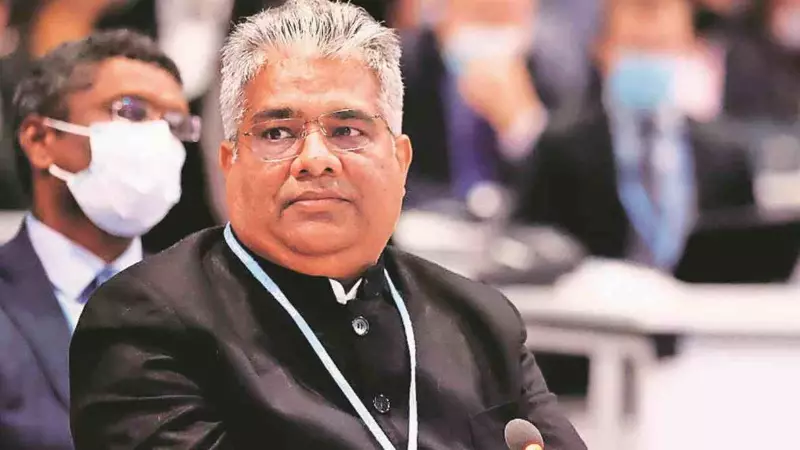
In a significant move for wildlife conservation, the standing committee of the National Board for Wildlife (SC-NBWL) has officially recommended restoring higher protection status to the Rhesus Macaque species under India's Wildlife (Protection) Act, 1972. The committee, chaired by Union Environment Minister Bhupender Yadav, made this crucial decision during its October 29 meeting after extensive deliberations with various states.
Restoring Statutory Protection
The panel's recommendation specifically calls for reinstating the Rhesus Macaque under Schedule II of the Wildlife (Protection) Act, which would provide the species with stronger statutory protection. This move aims to address multiple concerns including enforcement against illegal capture, prevention of cruelty, and regulation of scientific management of the species.
Senior Environment Ministry officials explained that placing the species under Schedule II is particularly significant because Section 11 of the law grants states the power to manage wildlife species in conflict situations. This balanced approach allows for both protection and practical management of human-wildlife interactions.

State Responses and Divergent Views
The recommendation follows comprehensive consultations with states where the Rhesus Macaque is widely distributed. The ministry had circulated detailed questionnaires to Chief Wildlife Wardens of all states and Union Territories seeking their reasoned positions on the matter.
Six states strongly supported the enhanced protection:
- Madhya Pradesh
- Gujarat
- Uttarakhand
- West Bengal
- Himachal Pradesh
- Arunachal Pradesh
These states backed the proposal citing protection needs, prevention of cruelty, and important ecological considerations.
However, seven states expressed opposition to the recommendation:
- Assam
- Rajasthan
- Meghalaya
- Uttar Pradesh
- Punjab
- Jammu and Kashmir
- Andhra Pradesh
The opposing states raised concerns about the species' non-threatened status and potential complications in conflict management.
Implementation and Conservation Measures
Environment Minister Bhupender Yadav has issued specific directives for the implementation of conservation measures. All divisional forest officers and deputy conservator of forests have been instructed to prepare site-specific management and conservation plans for the species. Additionally, the development of appropriate rescue and rehabilitation centers has been prioritized.
The panel's decision received strong backing from key conservation authorities, including the Member Secretary of the Central Zoo Authority and the Member Secretary of the National Tiger Conservation Authority.
State governments have been directed to prepare detailed, site-specific mitigation plans that identify and categorize areas of human-monkey conflict. The minutes of the meeting stated that "a baseline study is to be developed based on studies carried out by the Wildlife Institute of India" to inform these management strategies.
Background and Advocacy
The push for enhanced protection gained momentum after requests from the Chairman of the Animal Welfare Board of India and the Federation of Indian Animal Protection Organisations. These organizations had specifically sought restoration of protection under Schedule II to prevent cruelty, exploitation, and illegal trade of the species.
This matter had previously been discussed during the 85th meeting of the SC-NBWL, where advice on policy framing was sought. The current recommendation represents the culmination of these ongoing discussions and state consultations.
The Rhesus Macaque, once widely distributed across India, faces increasing threats from habitat loss, human-wildlife conflict, and illegal wildlife trade. The enhanced protection status would provide stronger legal frameworks for conservation efforts while enabling states to manage conflict situations effectively under the Wildlife Protection Act's provisions.






