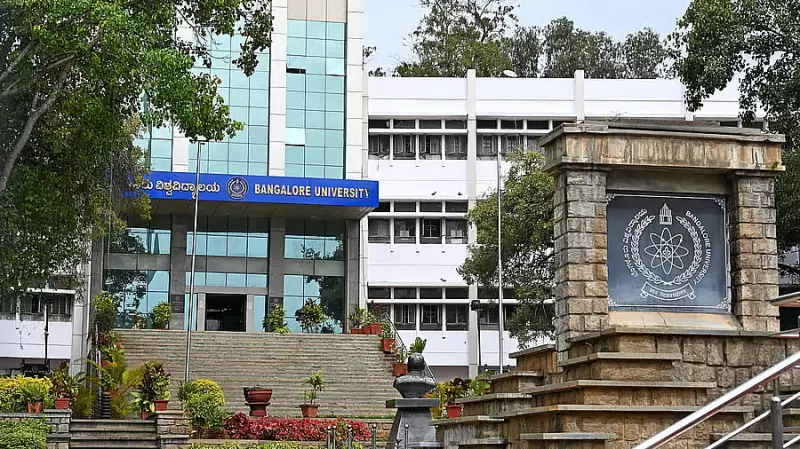
A powerful editorial has sounded an urgent alarm for Bengaluru, cautioning against a dangerous form of forgetfulness where the pursuit of progress leads to the obliteration of vital natural heritage. The focus is on the Jnanabharathi campus area, a green lung for the city whose safeguarding is deemed non-negotiable for both the present and future generations.
The Peril of Ecological Amnesia
The core argument posits that true advancement for a city like Bengaluru cannot be built upon a foundation of ecological amnesia. This term describes a societal tendency to overlook or deliberately forget the intrinsic value of natural ecosystems in the relentless race for urbanisation and infrastructure projects. The editorial stresses that development which permanently scars or destroys these environments represents a flawed and short-sighted model of growth. It is a warning that converting every open space and green patch into concrete is a debt passed on to future citizens.
Jnanabharathi: A Legacy to Protect
At the heart of this call to action is the Jnanabharathi region. While widely recognized as part of Bangalore University's campus, its significance extends far beyond academia. The area serves as a crucial ecological zone for Bengaluru, contributing to biodiversity, aiding in groundwater recharge, and helping moderate the city's increasingly volatile microclimate. The editorial, published on 04 December 2025, makes a compelling case for its protection as an indispensable asset. The message is clear: this is not just about preserving trees but about securing a fundamental component of the city's environmental health and resilience.

A Call for Conscious Stewardship
The concluding thrust of the piece is a forward-looking appeal for responsibility. It frames the conservation of Jnanabharathi's green cover as an act of stewardship that transcends current administrative or political cycles. Protecting it now is an investment in the well-being of generations to come. The editorial implicitly challenges planners, policymakers, and citizens to redefine progress to include ecological integrity. It advocates for development paradigms that work in harmony with nature, ensuring that Bengaluru's growth does not become synonymous with loss.
Ultimately, this is a narrative about memory and legacy. It asks Bengaluru to remember the value of its natural spaces and to choose a path of development that safeguards them, ensuring that the city's future is not built upon the forgotten ruins of its green past.