Saudi Forces Neutralize Aerial Threats Targeting Riyadh Amid Regional Tensions
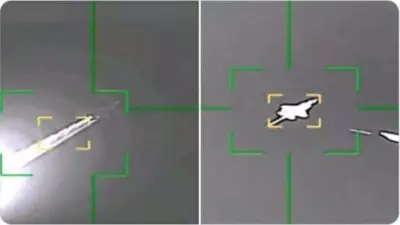
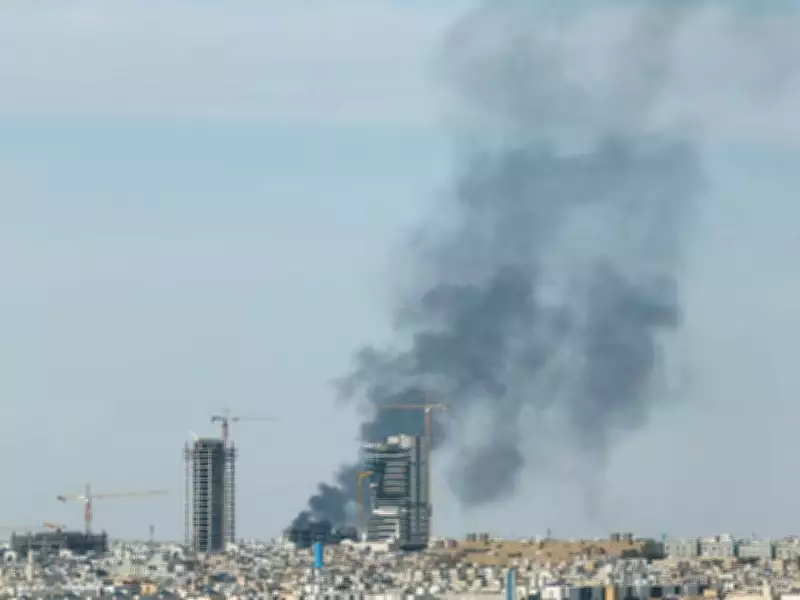
The Saudi Arabian Ministry of Defence has confirmed the successful interception of a ballistic missile and multiple drones targeting the capital city of Riyadh. According to official statements, the defensive operations resulted in no damage to infrastructure or surrounding areas, despite debris from the missile falling near the Prince Sultan Air Base.
Details of the Interceptions and Security Response
In a series of rapid responses, Saudi military units downed several drones, including at least one that was approaching Riyadh's diplomatic quarter. The ministry highlighted that these aerial threats were neutralized over recent hours, underscoring the heightened state of alert in the region. The ballistic missile interception, in particular, marked a significant defensive achievement, with officials assuring that the falling fragments posed no risk to the air base or nearby localities.
Escalating Regional Conflict and Diplomatic Initiatives
This incident occurs against a backdrop of intensifying hostilities in the Middle East, now in its 19th day following a combined U.S. and Israeli military operation against Iran on February 28. Tehran's retaliatory strikes have involved drone and missile attacks targeting Gulf nations, Israel, and U.S. assets, leading to what experts describe as the most severe regional security crisis in years. The violence has disrupted global logistics, with international airports in Dubai and Doha facing repeated closures, severely impacting trade, travel, and medical supply chains.

High-Level Meeting to Address Security and Stability
In response to these developments, Saudi Arabia's foreign ministry announced it will host foreign ministers from a group of Arab and Islamic countries for a critical meeting in Riyadh on Wednesday evening. The session, as stated in a ministry post on X, aims to focus on "consultation and coordination regarding ways to support the security and stability of the region." This gathering follows intensive diplomatic efforts by Saudi Foreign Minister Prince Faisal bin Farhan, who conducted telephone consultations with counterparts from the United Arab Emirates, Egypt, Iraq, Syria, Algeria, and Bosnia and Herzegovina to prepare for the talks.
Objectives and Implications of the Regional Assembly
The primary goal of the upcoming meeting is to establish a unified framework for de-escalation and prevent further deterioration of the crisis. By bringing together key stakeholders, the assembly represents a concerted effort by Arab and Islamic nations to manage the ongoing consequences of the conflict and foster regional stability. This diplomatic initiative underscores the urgency of addressing the security threats that have escalated in recent weeks, with the intercepts in Riyadh serving as a stark reminder of the volatile situation.
Key Points from the Incident:
- Saudi forces intercepted a ballistic missile and multiple drones targeting Riyadh.
- No damage was reported, despite debris near Prince Sultan Air Base.
- The attacks are part of broader regional hostilities involving Iran, Israel, and the U.S.
- Saudi Arabia will host a high-level meeting of Arab and Islamic foreign ministers to discuss security and de-escalation.
- The conflict has disrupted global logistics, affecting airports and trade routes.
This report is based on information from official sources and highlights the ongoing efforts to mitigate security risks in the Middle East.