

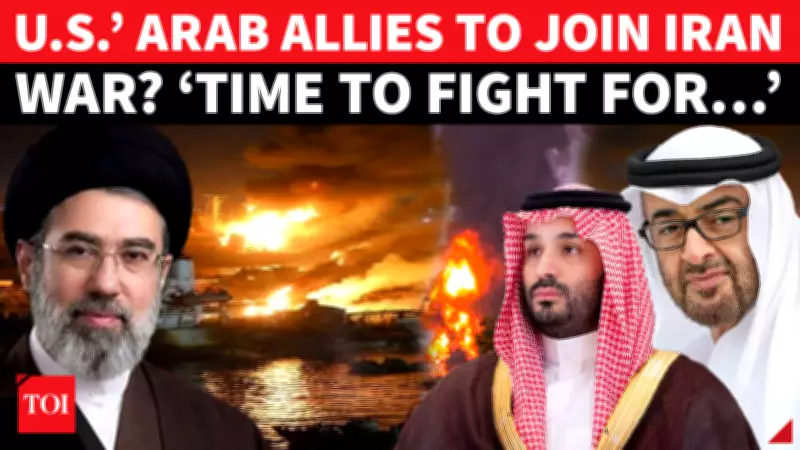
Saudi Arabia and UAE Weigh Military Intervention as Iran Targets Gulf Oil Infrastructure
Recent military strikes by Iran on critical energy and logistical hubs in the Gulf region have dramatically heightened fears of a broader regional conflict. These aggressive actions have prompted key regional players, Saudi Arabia and the United Arab Emirates, to signal a potential shift in their strategic posture, with both nations dropping strong hints that they may join the escalating conflict against Tehran.
Strategic Recalculations and Military Alignments
According to emerging reports, Riyadh is actively reconsidering its long-standing strategic calculations in response to Iran's provocations. One significant development under consideration is the granting of military access to critical Saudi bases for United States forces. This potential move represents a notable shift in policy and underscores the growing seriousness with which Gulf nations view the Iranian threat.
The targeting of oil infrastructure has been particularly alarming for regional stability. Iran's strikes have focused on energy hubs and logistical centers that are vital to global oil supplies, creating widespread anxiety about the security of essential maritime routes, most notably the strategic Strait of Hormuz.

Escalating Regional Tensions and Warnings
Gulf nations have issued stern warnings that continued Iranian attacks on non-combatant countries could push the crisis to dangerous new levels. The situation has created what some analysts describe as a vicious cycle of escalation, with each action prompting more severe reactions from opposing sides.
The broader context includes related regional developments that further complicate the security landscape. These include missile barrages, drone attacks by Iranian proxies, and revelations about Iran's military capabilities, all contributing to an atmosphere of heightened alert and preparation among Gulf Cooperation Council members.
Implications for Global Energy Markets
The potential involvement of Saudi Arabia and the UAE—long considered the economic powerhouses of the Middle East—carries significant implications beyond military concerns. Any sustained conflict in the Gulf region threatens to disrupt global energy supplies, with potential consequences for oil prices and economic stability worldwide.
As diplomatic channels appear strained, the military posturing suggests that regional powers are preparing for scenarios that could extend beyond the current Iran-US confrontation, potentially drawing in multiple state actors and reshaping Middle Eastern alliances for years to come.






